Nickel Alloy Flanges
June 30, 2026
1. Introduction
Nickel alloy flanges are essential piping components designed for connecting pipes, valves, pumps, and other equipment in high-pressure and corrosive environments. Manufactured from premium nickel-based alloys, they offer excellent corrosion resistance, high strength, and reliable sealing performance, making them ideal for critical industrial applications.
2. Key Features
Nickel alloy flanges provide outstanding resistance to corrosion caused by acids, alkalis, seawater, and chloride-containing environments. They also maintain excellent mechanical strength and oxidation resistance at elevated temperatures, ensuring stable performance under demanding operating conditions. Their excellent machinability and weldability allow for easy installation and long-term reliability.
3. Common Grades
Popular nickel alloy flange materials include Alloy 625, Alloy 718, Alloy C-276, Alloy 600, Alloy 825, and Alloy 800H/HT. Each grade is selected according to specific service conditions, offering excellent performance in corrosive, high-temperature, or high-pressure environments.
4. Types of Flanges
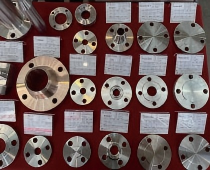
Nickel alloy flanges are available in various types, including Weld Neck Flanges, Slip-On Flanges, Blind Flanges, Socket Weld Flanges, Threaded Flanges, and Lap Joint Flanges. They are manufactured according to international standards such as ASME, ASTM, DIN, EN, and JIS to meet different industrial requirements.
5. Applications
Nickel alloy flanges are widely used in the oil and gas, petrochemical, chemical processing, marine engineering, power generation, aerospace, and desalination industries. They are commonly installed in pipelines, pressure vessels, heat exchangers, reactors, and offshore platforms where high reliability and corrosion resistance are essential.
6. Advantages
Compared with conventional stainless steel flanges, nickel alloy flanges offer superior corrosion resistance, higher temperature capability, longer service life, and lower maintenance costs. Their excellent durability helps improve system safety and reduce downtime in demanding industrial environments.
7. Conclusion
Nickel alloy flanges are the preferred choice for critical piping systems operating under extreme temperatures, pressures, and corrosive conditions. With excellent mechanical properties, outstanding corrosion resistance, and compliance with international standards, they provide safe, reliable, and long-lasting solutions for a wide range of industrial applications.
FAQs
What are high-temperature alloys made of?
Nickel, cobalt, or titanium are regularly used to craft high-temperature alloys. These metals can withstand highly high warmth without losing strength.
Why are high-temperature alloys used in jet engines?
Jet engines create severe warmth once they burn gas. High-temperature alloys are used because they may resist melting and remain robust under these conditions.
Can high-temperature alloys be utilized in spacecraft?
Yes, high-temperature alloys are essential in spacecraft. They are used for elements like high-temperature shields and rocket engines, which face extreme heat and are bloodless.
NEXT: Nickel Alloy Sheets
PREV: Nickel Alloy Wire Rod