Nickel-Based Alloy Forging: Strength Through Precision
April 29, 2026
Introduction
Nickel-based alloy forging is a manufacturing process used to shape high-performance alloys under controlled heat and pressure. These alloys are known for their excellent strength, corrosion resistance, and ability to perform in extreme temperatures. Forged nickel-based alloy products are widely used in aerospace, energy, chemical processing, marine engineering, and industrial equipment.
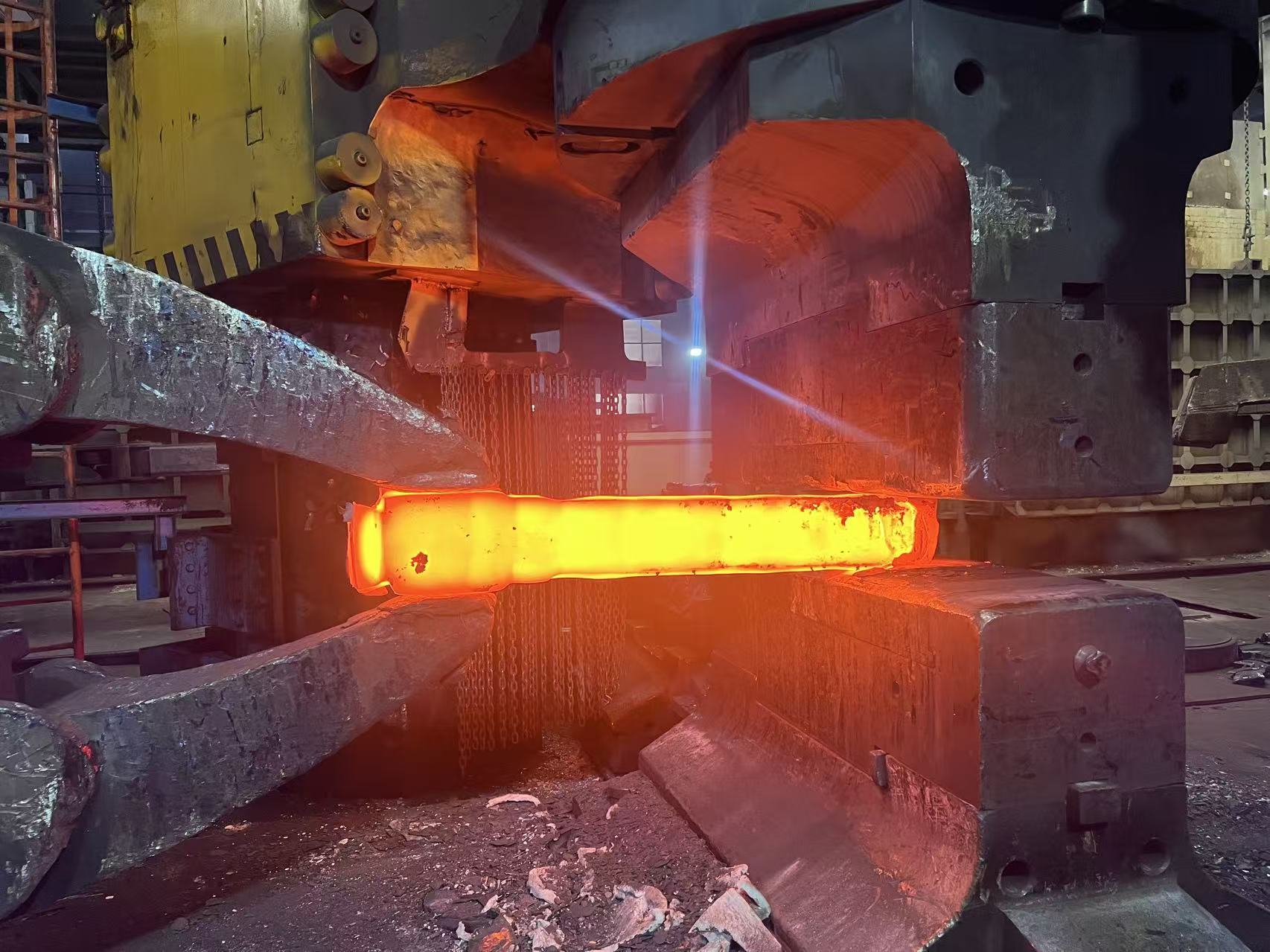
What Is Nickel-Based Alloy Forging
Forging is the process of deforming metal into a desired shape by applying compressive force. For nickel-based alloys, the material is heated to a specific temperature before forging to improve workability and maintain structural integrity. Common forging methods include open-die forging, closed-die forging, and ring rolling.
Key Advantages
-
Superior Mechanical Strength
Forging refines the grain structure of nickel-based alloys, resulting in higher tensile strength, toughness, and fatigue resistance compared with cast materials. -
Excellent Heat Resistance
Nickel-based forged components maintain stability and strength in high-temperature environments, making them ideal for turbines and furnaces. -
Strong Corrosion Resistance
These alloys resist oxidation, acids, seawater, and aggressive chemicals, extending service life in harsh conditions. -
Reliable Structural Integrity
Forged parts have fewer internal defects and better consistency, ensuring dependable performance in critical applications.
Common Forged Products
Nickel-based alloy forging is used to produce shafts, flanges, discs, rings, valves, fittings, fasteners, and custom industrial parts. Popular grades include Inconel 625, Inconel 718, Hastelloy C276, Monel 400, and Alloy 800.
Applications
In aerospace, forged nickel alloys are used in engine components and turbine discs. In the oil and gas industry, they are applied in valves, connectors, and drilling equipment. Chemical plants use forged parts for reactors, pumps, and pipelines. Marine industries rely on these alloys for corrosion-resistant hardware.
Conclusion
Nickel-based alloy forging combines advanced metallurgy with precise manufacturing to create components that perform under extreme conditions. With outstanding strength, durability, and corrosion resistance, forged nickel-based alloys remain essential materials for demanding industries worldwide.
FAQs
What are high-temperature alloys made of?
Nickel, cobalt, or titanium are regularly used to craft high-temperature alloys. These metals can withstand highly high warmth without losing strength.
Why are high-temperature alloys used in jet engines?
Jet engines create severe warmth once they burn gas. High-temperature alloys are used because they may resist melting and remain robust under these conditions.
Can high-temperature alloys be utilized in spacecraft?
Yes, high-temperature alloys are essential in spacecraft. They are used for elements like high-temperature shields and rocket engines, which face extreme heat and are bloodless.