Nickel Alloy Seamless Pipes
April 16, 2026
Introduction
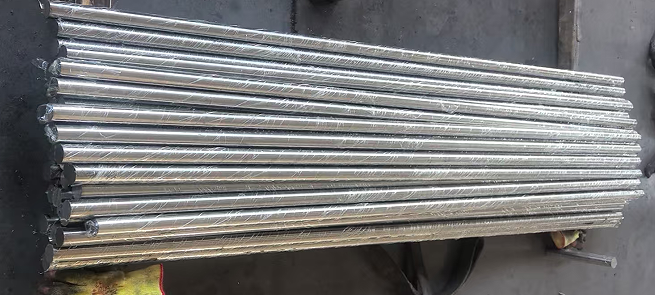
Nickel-based alloy seamless pipes are high-performance tubular products designed to operate in some of the most demanding environments. Composed primarily of nickel and alloying elements such as chromium, molybdenum, and iron, these pipes are known for their exceptional resistance to heat, corrosion, and mechanical stress. Their seamless structure eliminates weld-related weaknesses, making them especially suitable for critical industrial systems.
1. Material Characteristics
Nickel-based alloys exhibit outstanding properties that set them apart from conventional steel pipes. They maintain excellent mechanical strength even at elevated temperatures and demonstrate superior resistance to oxidation and chemical corrosion. This makes them highly reliable in environments involving acids, alkalis, and high-pressure gases. In addition, their microstructural stability ensures long service life with minimal degradation.
2. Manufacturing Process
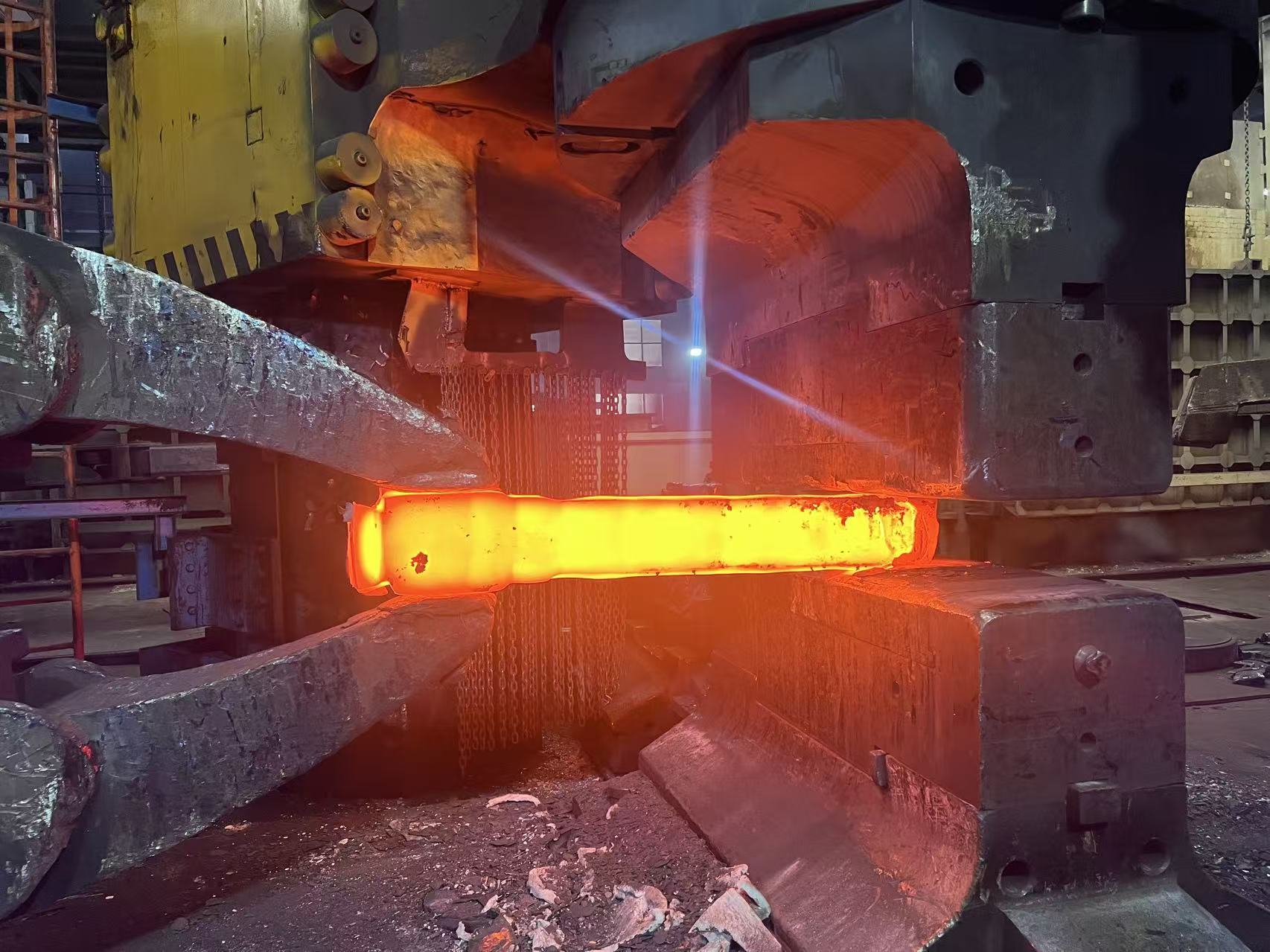
Seamless pipes made from nickel-based alloys are typically produced through processes such as hot extrusion, rotary piercing, and cold drawing. These methods ensure a uniform structure without weld seams, improving both mechanical integrity and pressure resistance. Strict quality control during production ensures dimensional accuracy, smooth surface finish, and consistent performance under extreme conditions.
3. Key Applications
Nickel-based alloy seamless pipes are widely used across multiple industries. In the oil and gas sector, they are essential for transporting corrosive fluids and operating in high-pressure wells. In aerospace, they are used in engine components and fuel systems that require high-temperature strength. Chemical processing industries rely on these pipes for handling aggressive chemicals, while power generation plants use them in boilers and heat exchangers where thermal stability is critical.
4. Advantages Over Welded Pipes
Compared to welded pipes, seamless nickel-based alloy pipes offer enhanced structural reliability. The absence of weld seams reduces the risk of cracking and corrosion at joint areas. This results in improved safety, especially in high-stress environments. Additionally, seamless pipes typically have better fatigue resistance and can withstand cyclic loading conditions more effectively.
Conclusion
Nickel-based alloy seamless pipes represent a vital solution for industries that demand durability, safety, and high performance. Their unique combination of strength, corrosion resistance, and thermal stability ensures reliable operation in extreme environments. As industrial technologies continue to advance, the demand for these high-quality materials is expected to grow, reinforcing their importance in modern engineering applications.
FAQs
What are high-temperature alloys made of?
Nickel, cobalt, or titanium are regularly used to craft high-temperature alloys. These metals can withstand highly high warmth without losing strength.
Why are high-temperature alloys used in jet engines?
Jet engines create severe warmth once they burn gas. High-temperature alloys are used because they may resist melting and remain robust under these conditions.
Can high-temperature alloys be utilized in spacecraft?
Yes, high-temperature alloys are essential in spacecraft. They are used for elements like high-temperature shields and rocket engines, which face extreme heat and are bloodless.