Nickel-Based Alloy Round Bars
March 06, 2026
1. Introduction
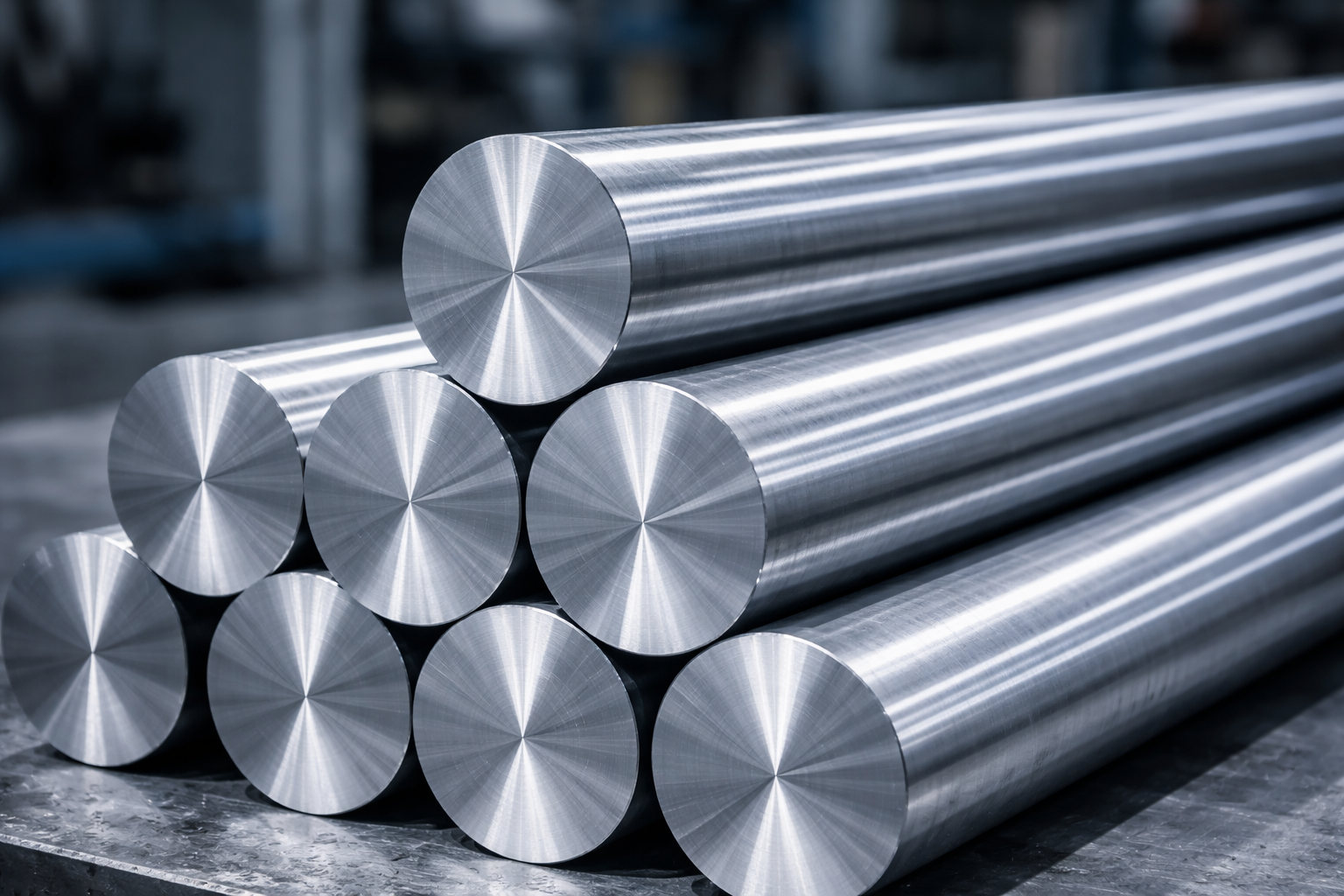
Nickel-based alloy round bars are high-performance metallic products widely used in demanding industrial environments. These alloys are primarily composed of nickel and are strengthened by elements such as chromium, molybdenum, cobalt, and iron. Due to their excellent mechanical strength, corrosion resistance, and high-temperature stability, nickel-based alloy round bars have become essential materials in industries such as aerospace, energy, chemical processing, and marine engineering.
2. Key Material Properties
One of the most significant advantages of nickel-based alloy round bars is their exceptional resistance to extreme conditions. They maintain high strength and structural stability even at elevated temperatures, making them suitable for components exposed to thermal stress. In addition, the presence of chromium and molybdenum enhances corrosion and oxidation resistance, allowing these alloys to perform reliably in aggressive chemical environments. Their good fatigue resistance and creep strength also ensure long service life in critical applications.
3. Manufacturing Process
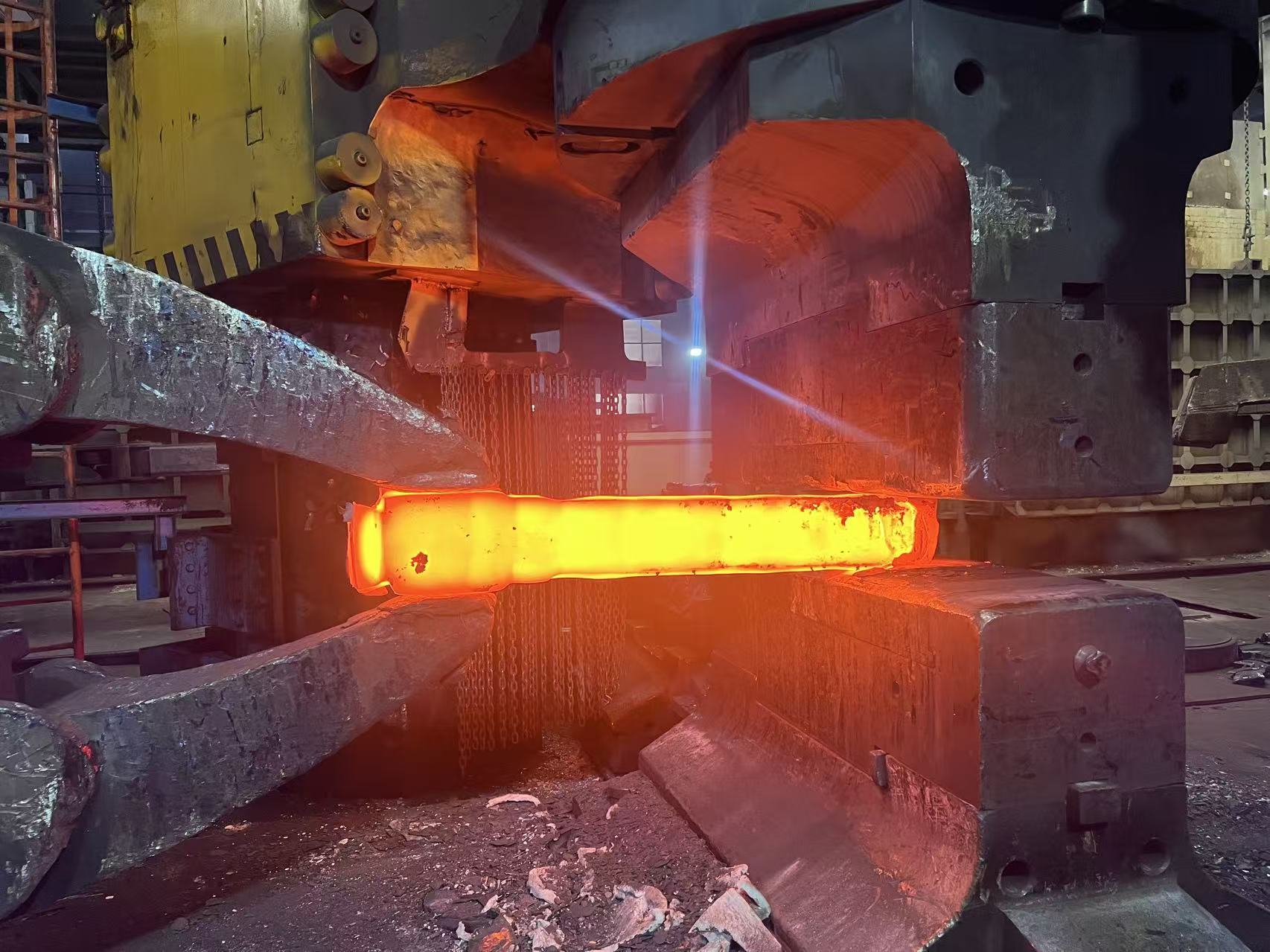
The production of nickel-based alloy round bars typically begins with the melting of raw materials in vacuum induction melting (VIM) or electric arc furnaces to ensure high purity. The molten alloy is then cast into ingots and subsequently processed through hot forging or rolling to achieve the desired round bar shape. After forming, the bars undergo heat treatment to refine the microstructure and improve mechanical properties. Finally, machining and surface finishing processes are carried out to meet precise dimensional and quality requirements.
4. Industrial Applications
Nickel-based alloy round bars are used to manufacture a wide range of critical components. In the aerospace industry, they are commonly used for turbine shafts, fasteners, and structural parts due to their ability to withstand high temperatures and mechanical loads. In the oil and gas sector, these bars are used to produce valves, pumps, and drilling equipment that must resist corrosion in harsh environments. Chemical processing plants also rely on nickel alloys for equipment exposed to acids, high pressure, and high temperatures.
5. Conclusion
Nickel-based alloy round bars are indispensable materials in modern engineering due to their outstanding combination of strength, corrosion resistance, and high-temperature performance. With continuous advancements in alloy design and manufacturing technologies, these materials will remain crucial for industries that require reliable performance in extreme operating conditions.
FAQs
What are high-temperature alloys made of?
Nickel, cobalt, or titanium are regularly used to craft high-temperature alloys. These metals can withstand highly high warmth without losing strength.
Why are high-temperature alloys used in jet engines?
Jet engines create severe warmth once they burn gas. High-temperature alloys are used because they may resist melting and remain robust under these conditions.
Can high-temperature alloys be utilized in spacecraft?
Yes, high-temperature alloys are essential in spacecraft. They are used for elements like high-temperature shields and rocket engines, which face extreme heat and are bloodless.