Nickel-Based Alloy Seamless Pipes: Performance, Manufacturing, and Applications
January 08, 2026
1. Introduction
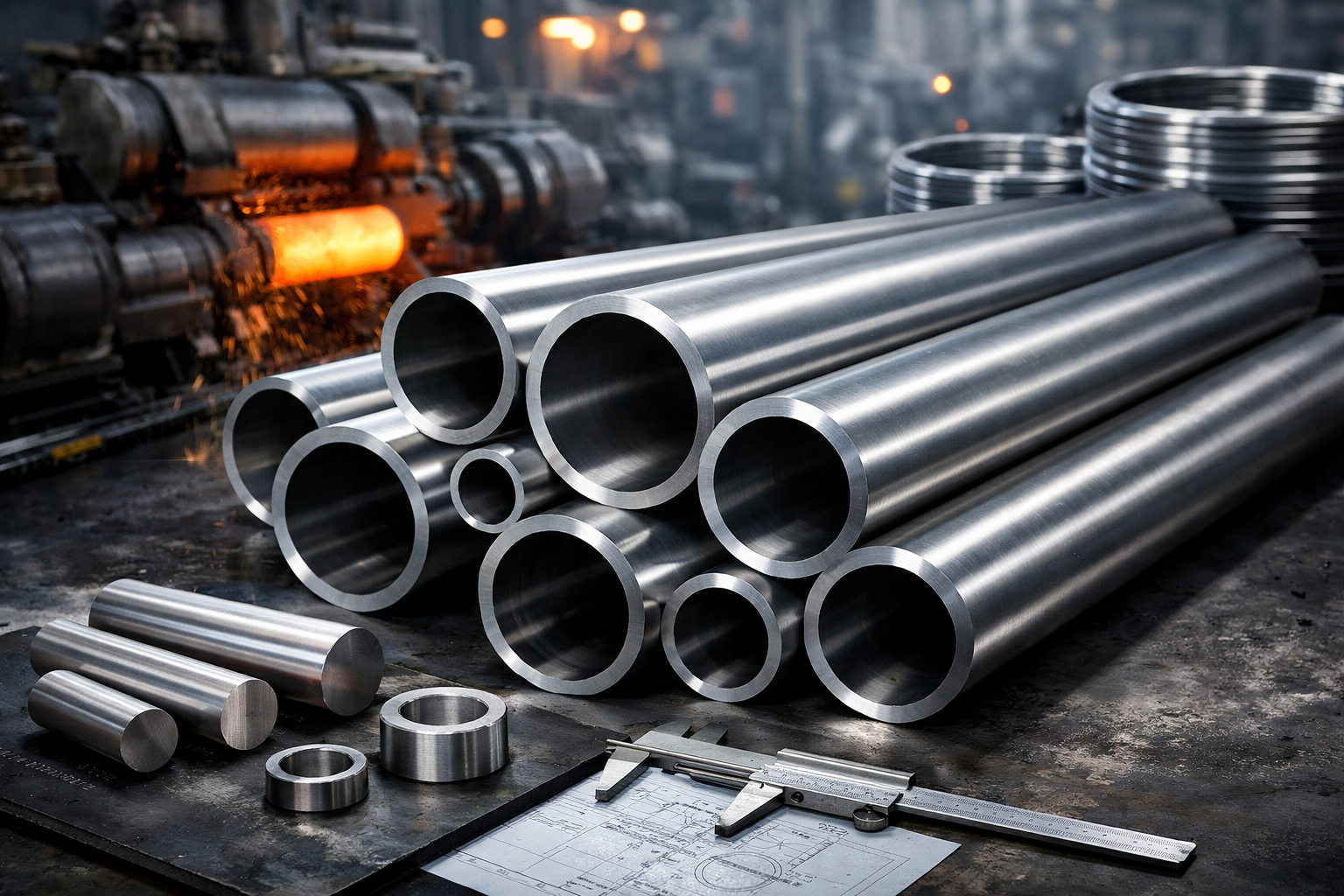
Seamless pipes are critical components in industries that demand high reliability under extreme conditions. Unlike welded pipes, seamless pipes are produced without longitudinal joints, offering superior structural integrity, uniform mechanical properties, and enhanced resistance to pressure and fatigue. When manufactured from nickel-based alloys, seamless pipes exhibit exceptional performance in high-temperature, high-pressure, and corrosive environments, making them indispensable in aerospace, energy, chemical processing, and advanced manufacturing sectors.
2. Advantages of Nickel-Based Alloys for Seamless Pipes
Nickel-based alloys are engineered to maintain strength, stability, and corrosion resistance under severe service conditions. When applied to seamless pipe production, these alloys provide several key advantages:
-
Outstanding High-Temperature Strength: Nickel-based alloys retain mechanical strength and creep resistance at temperatures exceeding 700 °C, outperforming conventional stainless steels.
-
Excellent Corrosion and Oxidation Resistance: They demonstrate strong resistance to acids, chlorides, sulfides, and oxidizing atmospheres, even in aggressive chemical environments.
-
Superior Pressure-Bearing Capability: The absence of weld seams combined with the inherent toughness of nickel alloys enables seamless pipes to withstand extreme internal pressures.
-
Long Service Life and Reliability: Reduced risk of weld-related defects significantly enhances operational safety and longevity.
3. Manufacturing Process of Nickel-Based Alloy Seamless Pipes
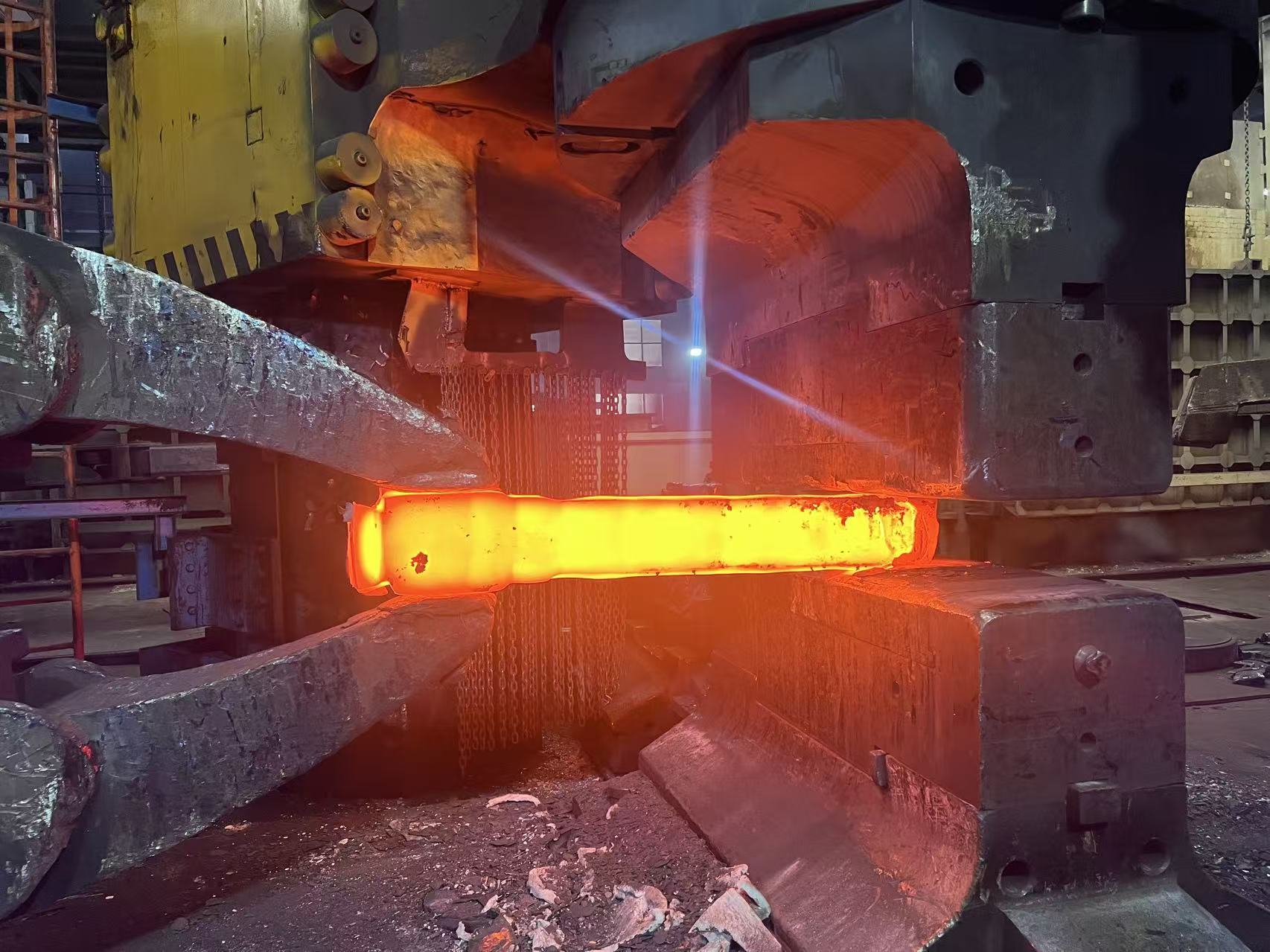
Nickel-based alloy seamless pipes are typically produced through advanced hot-working and cold-finishing processes to ensure dimensional precision and microstructural uniformity. The general process includes:
-
Melting and Ingot/Billet Preparation – High-purity nickel-based alloy ingots are produced via vacuum induction melting (VIM) or vacuum arc remelting (VAR) to ensure chemical homogeneity.
-
Piercing and Hot Rolling – Solid billets are pierced to form hollow shells and hot-rolled to achieve the required diameter and wall thickness.
-
Cold Drawing or Cold Rolling – These steps improve dimensional accuracy, surface finish, and mechanical properties.
-
Heat Treatment and Finishing – Solution annealing, straightening, and non-destructive testing (NDT) are applied to guarantee performance consistency and quality compliance.
4. Typical Applications
Nickel-based alloy seamless pipes are widely used in demanding applications where failure is not an option:
-
Aerospace and Aviation: Fuel lines, hydraulic systems, and high-temperature exhaust components.
-
Oil & Gas and Energy: Downhole tubing, heat exchangers, and high-pressure pipelines in corrosive environments.
-
Chemical and Petrochemical Industry: Reactors, condensers, and piping systems exposed to strong acids and high temperatures.
-
Nuclear and Power Generation: Steam generator tubes and critical piping requiring exceptional safety margins.
5. Conclusion
Nickel-based alloy seamless pipes represent a premium solution for extreme service conditions. By combining the inherent advantages of seamless structures with the exceptional properties of nickel-based alloys, these pipes deliver unmatched reliability, safety, and performance. As industries continue to push operational limits, the demand for high-quality nickel-based alloy seamless pipes is expected to grow steadily, reinforcing their role as a cornerstone material in advanced engineering applications.
FAQs
What are high-temperature alloys made of?
Nickel, cobalt, or titanium are regularly used to craft high-temperature alloys. These metals can withstand highly high warmth without losing strength.
Why are high-temperature alloys used in jet engines?
Jet engines create severe warmth once they burn gas. High-temperature alloys are used because they may resist melting and remain robust under these conditions.
Can high-temperature alloys be utilized in spacecraft?
Yes, high-temperature alloys are essential in spacecraft. They are used for elements like high-temperature shields and rocket engines, which face extreme heat and are bloodless.