Aerospace Applications of Nickel-Based Alloy Ingots
January 06, 2026
1. Foundation Material for High-Temperature Aerospace Components
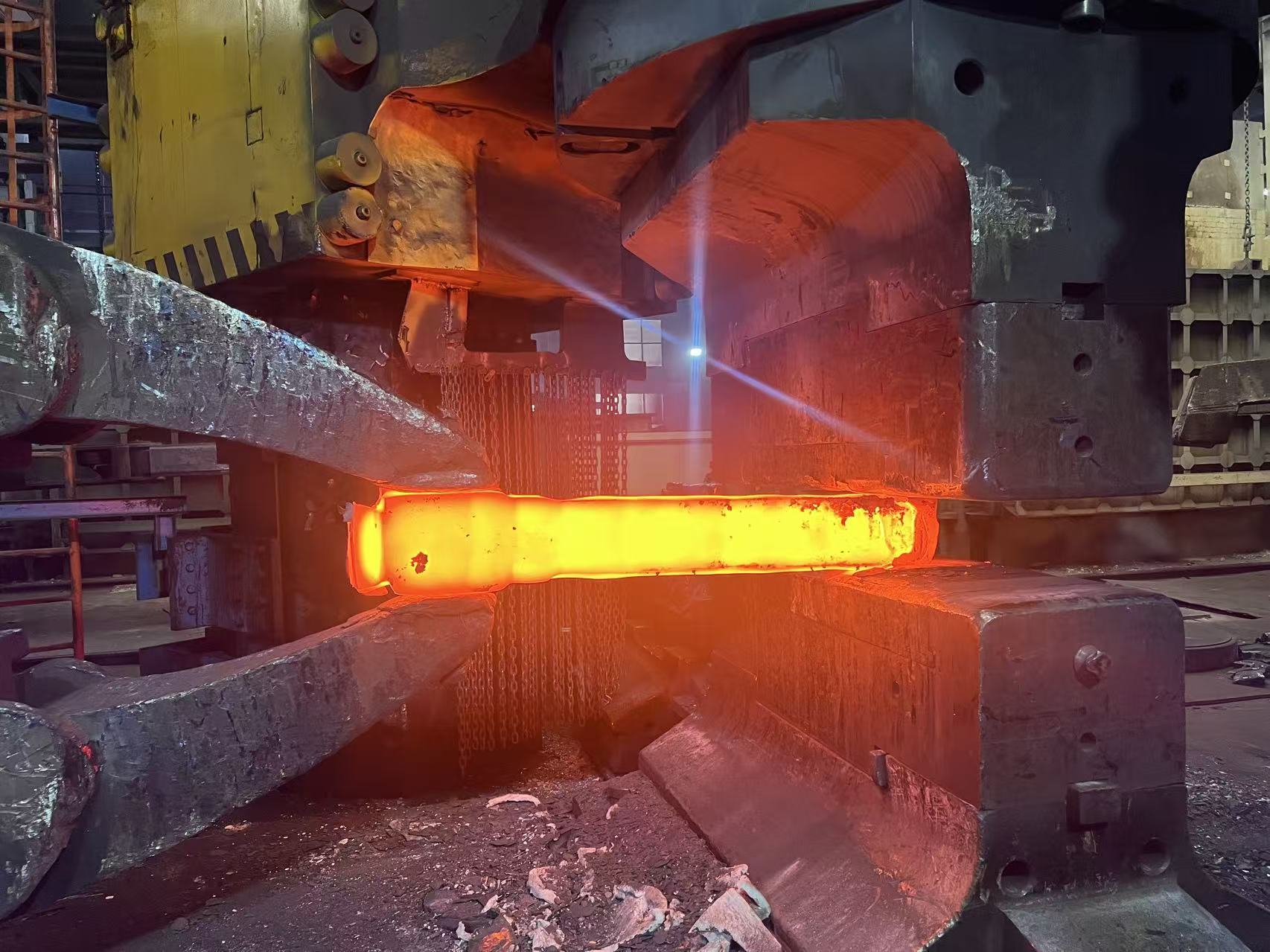
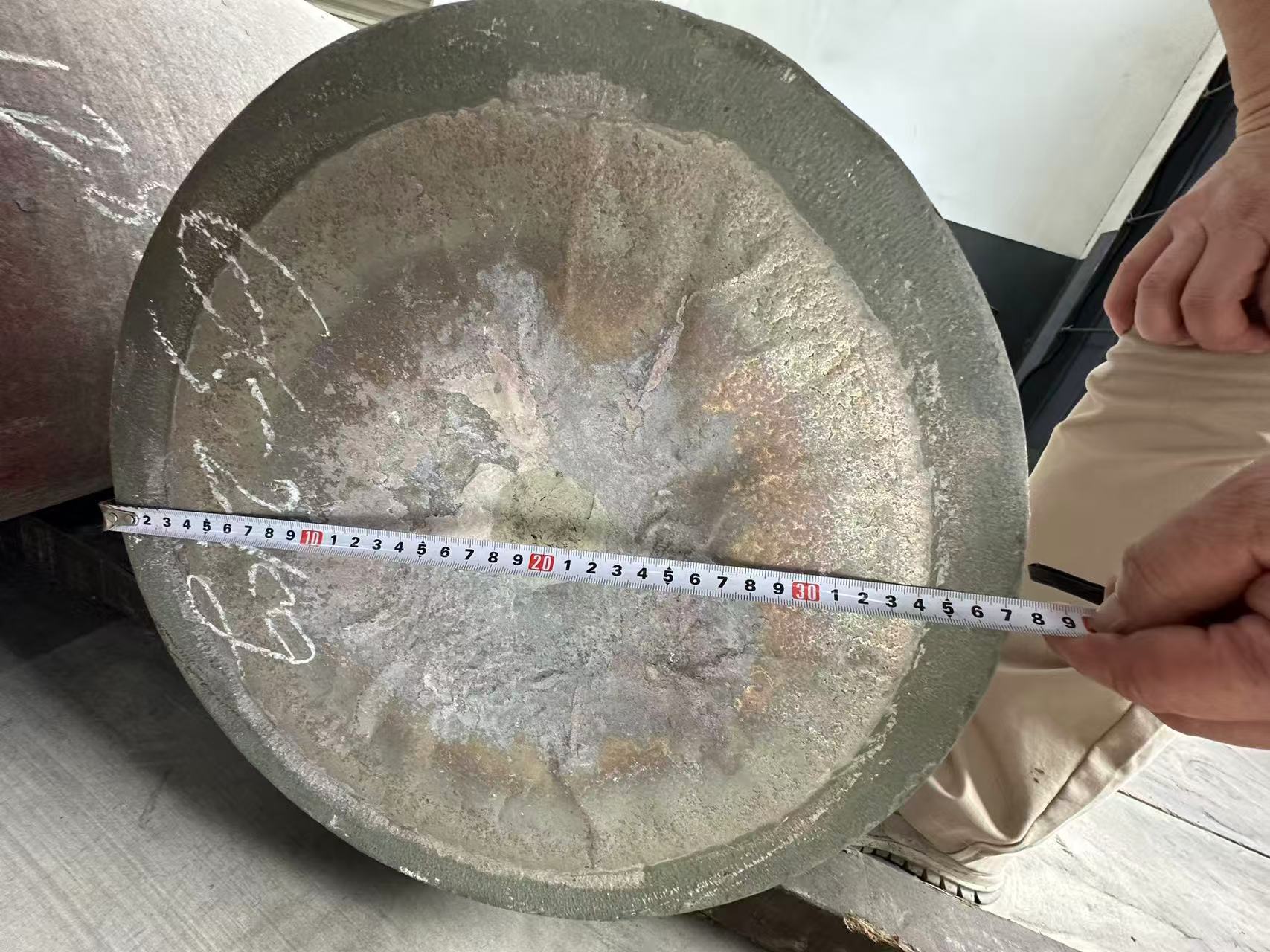
Nickel-based alloy ingots serve as the primary raw material for manufacturing components that operate under extreme thermal conditions in aerospace applications. After remelting and forging, these ingots are processed into billets, bars, and forgings used in high-temperature zones. Their excellent thermal stability allows aerospace components to maintain mechanical integrity at temperatures exceeding 1,000 °C.
2. Aero-Engine Hot Section Applications
One of the most critical uses of nickel-based alloy ingots is in aero-engine hot-section components, including turbine blades, turbine discs, combustion chambers, and afterburner systems. Nickel-based superalloys produced from ingots exhibit outstanding creep resistance, oxidation resistance, and fatigue strength, enabling engines to operate at higher temperatures and pressures while improving fuel efficiency and service life.
3. Structural and Load-Bearing Aircraft Components
Nickel-based alloy ingots are widely used to manufacture structural and load-bearing aerospace parts that must endure high stress, vibration, and cyclic fatigue. Once converted into forged components, these alloys provide a superior combination of high strength and toughness, ensuring long-term structural reliability in both commercial and military aircraft.
4. Spacecraft and Rocket Propulsion Systems
In space and rocket applications, nickel-based alloy ingots are essential for components exposed to extreme thermal cycling and aggressive chemical environments. Rocket engine nozzles, thrust chambers, and exhaust structures rely on nickel-based alloys for their resistance to high-temperature oxidation, thermal shock, and corrosive combustion by-products.
5. Corrosion-Resistant Aerospace Hardware and Fasteners
Nickel-based alloy ingots are also used to produce aerospace fasteners, connectors, and auxiliary hardware. Their excellent resistance to corrosion, stress corrosion cracking, and environmental degradation makes them ideal for long-term service in harsh aerospace environments, including exposure to fuels, hydraulic fluids, and marine atmospheres.
6. Support for Advanced Aerospace Manufacturing Technologies
High-quality nickel-based alloy ingots provide the metallurgical consistency required for advanced aerospace manufacturing processes such as precision forging, directional solidification, and additive manufacturing feedstock preparation. Controlled chemical composition and microstructure ensure consistent performance in critical aerospace components.
Conclusion
Nickel-based alloy ingots are indispensable to the aerospace industry, forming the foundation of high-performance materials used in engines, structures, and propulsion systems. Their ability to withstand extreme temperatures, mechanical stress, and corrosive environments makes them essential for modern and next-generation aerospace applications.
FAQs
What are high-temperature alloys made of?
Nickel, cobalt, or titanium are regularly used to craft high-temperature alloys. These metals can withstand highly high warmth without losing strength.
Why are high-temperature alloys used in jet engines?
Jet engines create severe warmth once they burn gas. High-temperature alloys are used because they may resist melting and remain robust under these conditions.
Can high-temperature alloys be utilized in spacecraft?
Yes, high-temperature alloys are essential in spacecraft. They are used for elements like high-temperature shields and rocket engines, which face extreme heat and are bloodless.