Understanding Nickel Alloy Ingots: The Foundation of High-Performance Materials
October 23, 2025
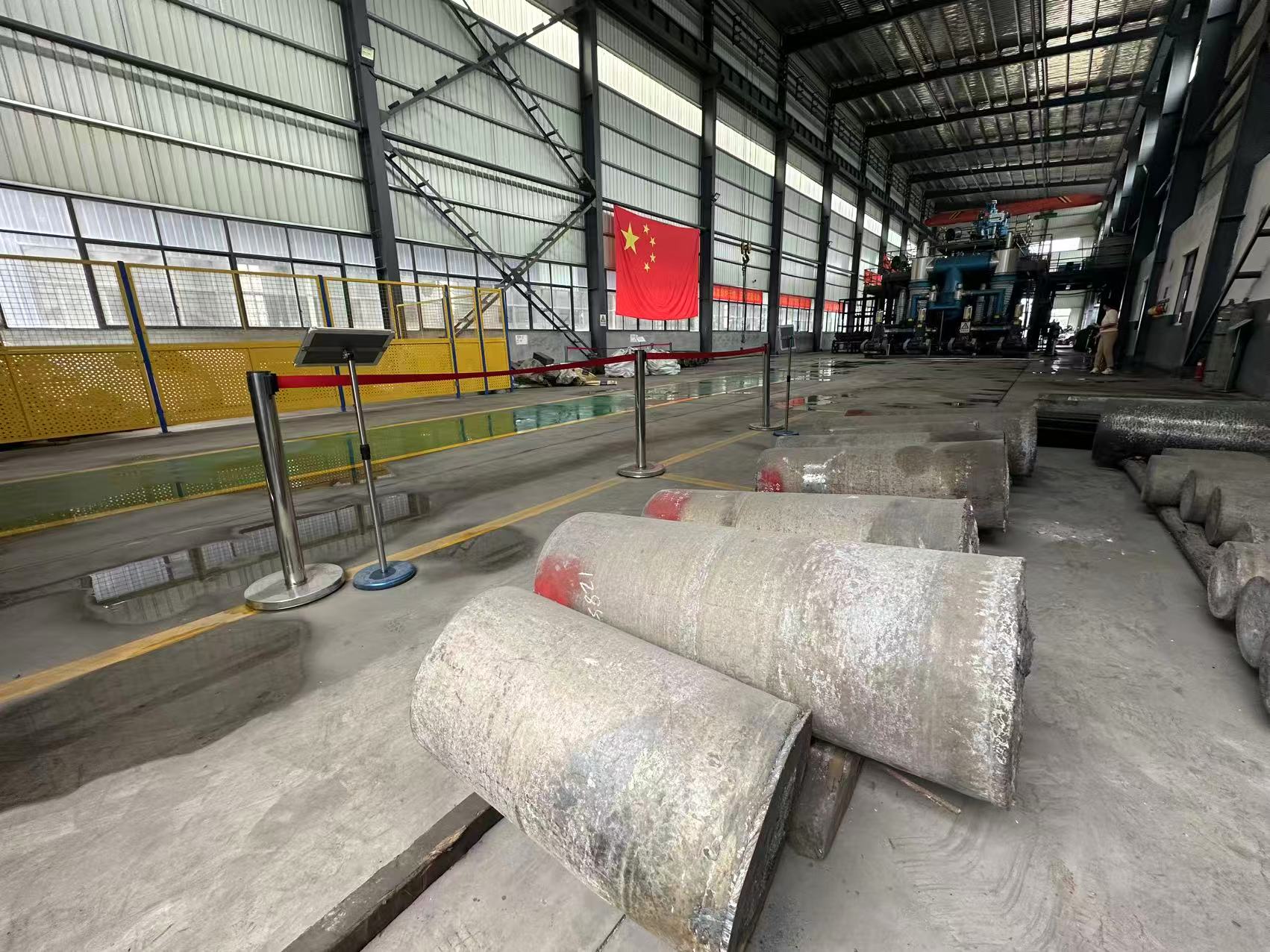
When you hear the term nickel alloy ingot, it might sound technical — but in simple words, it’s the starting block for many strong and corrosion-resistant metal products we use today. These ingots are the raw form of nickel-based materials, melted and cast into solid blocks before being processed into bars, pipes, fittings, or other components.
What Makes Nickel Alloy Ingots Special?
Nickel alloys are not just ordinary metals. They are blended with elements like chromium, iron, molybdenum, and copper to create materials that can survive in harsh environments — from chemical plants and refineries to power stations and marine industries.
Because of this, nickel alloy ingots provide:
- Excellent corrosion resistance — they don’t rust easily, even when exposed to acids or seawater.
- High strength at high temperatures — they keep their shape and toughness even when other metals soften.
- Long service life — meaning lower maintenance and replacement costs for end users.
From Ingot to Finished Product
Every nickel alloy pipe, bar, or flange starts with an ingot.
The process usually goes like this:
- Melting – High-purity nickel and alloying elements are melted together in a furnace.
- Casting – The molten metal is poured into molds to form ingots.
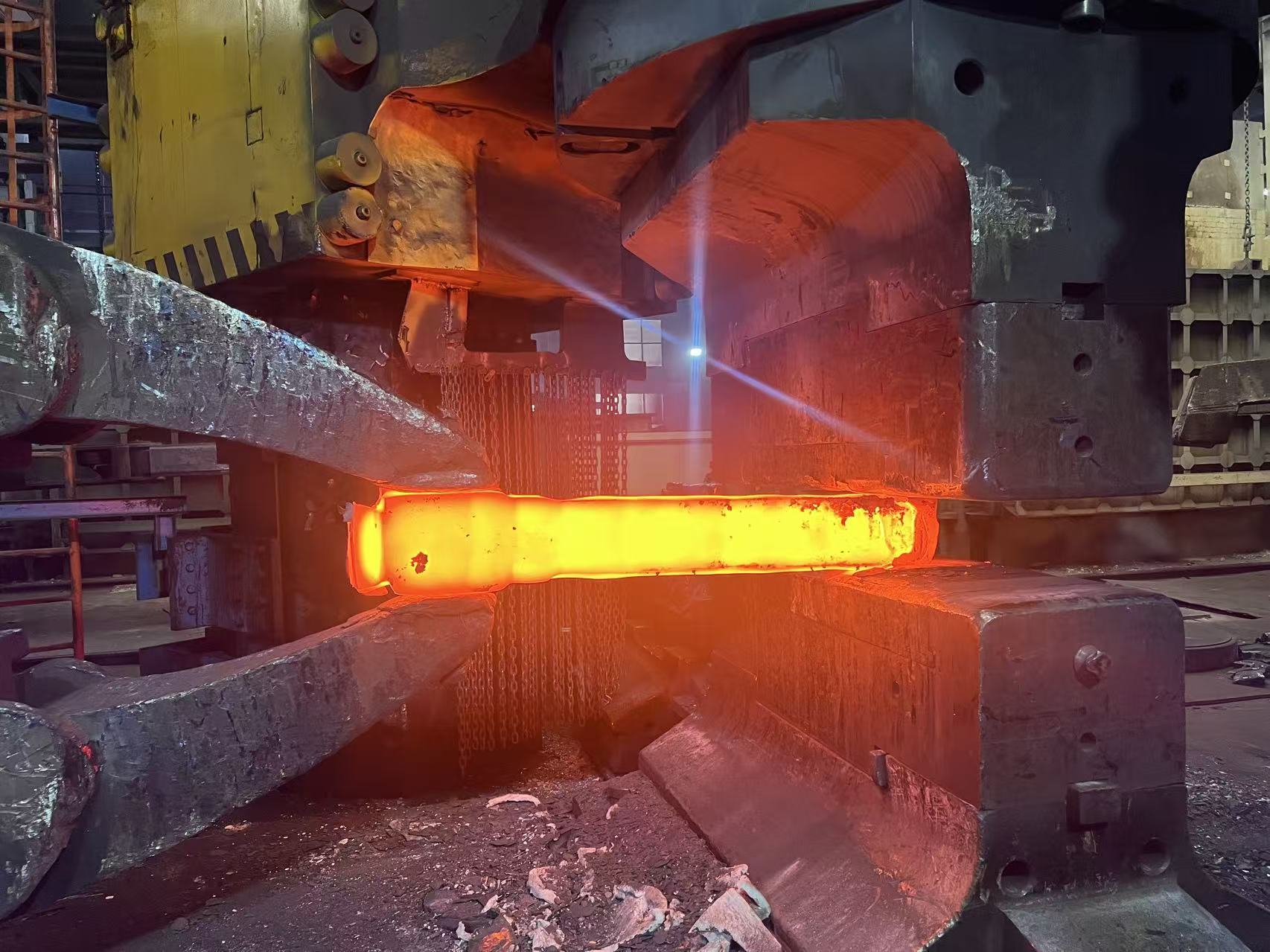
- Forging or Rolling – These ingots are then reheated and shaped into various semi-finished forms.
- Heat Treatment – Finally, they’re heat-treated to achieve the right mechanical strength and stability.
This careful process ensures the final material is clean, uniform, and reliable — ready to be used in demanding industries.
Why Buyers Choose Nickel Alloy Ingots
For companies that produce tubes, bars, or fittings, purchasing high-quality ingots is a smart investment. A good ingot means fewer defects, easier processing, and better final product quality.
When selecting a supplier, it’s worth checking:
- Consistent chemical composition
- Smooth surface and no internal cracks
- Reliable documentation and test certificates (like ASTM or EN standards)
- Experience in nickel alloy production
In Summary
Nickel alloy ingots may look like simple metal blocks, but they are the foundation of advanced engineering materials used around the world. Choosing the right ingot supplier can make a big difference in your manufacturing quality and long-term costs.
If your business values durability, reliability, and performance, nickel alloy ingots are a solid choice to start with — quite literally.
FAQs
What are high-temperature alloys made of?
Nickel, cobalt, or titanium are regularly used to craft high-temperature alloys. These metals can withstand highly high warmth without losing strength.
Why are high-temperature alloys used in jet engines?
Jet engines create severe warmth once they burn gas. High-temperature alloys are used because they may resist melting and remain robust under these conditions.
Can high-temperature alloys be utilized in spacecraft?
Yes, high-temperature alloys are essential in spacecraft. They are used for elements like high-temperature shields and rocket engines, which face extreme heat and are bloodless.