Understanding Nickel Alloy Ingot and How It Differs from Round Bar
October 28, 2025
Nickel alloys are essential materials in modern industry because of their excellent resistance to corrosion, high temperature, and mechanical stress. Among the many product forms, nickel alloy ingot and nickel alloy round bar are often mentioned together — but they serve different purposes in the production process.
What Is a Nickel Alloy Ingot?
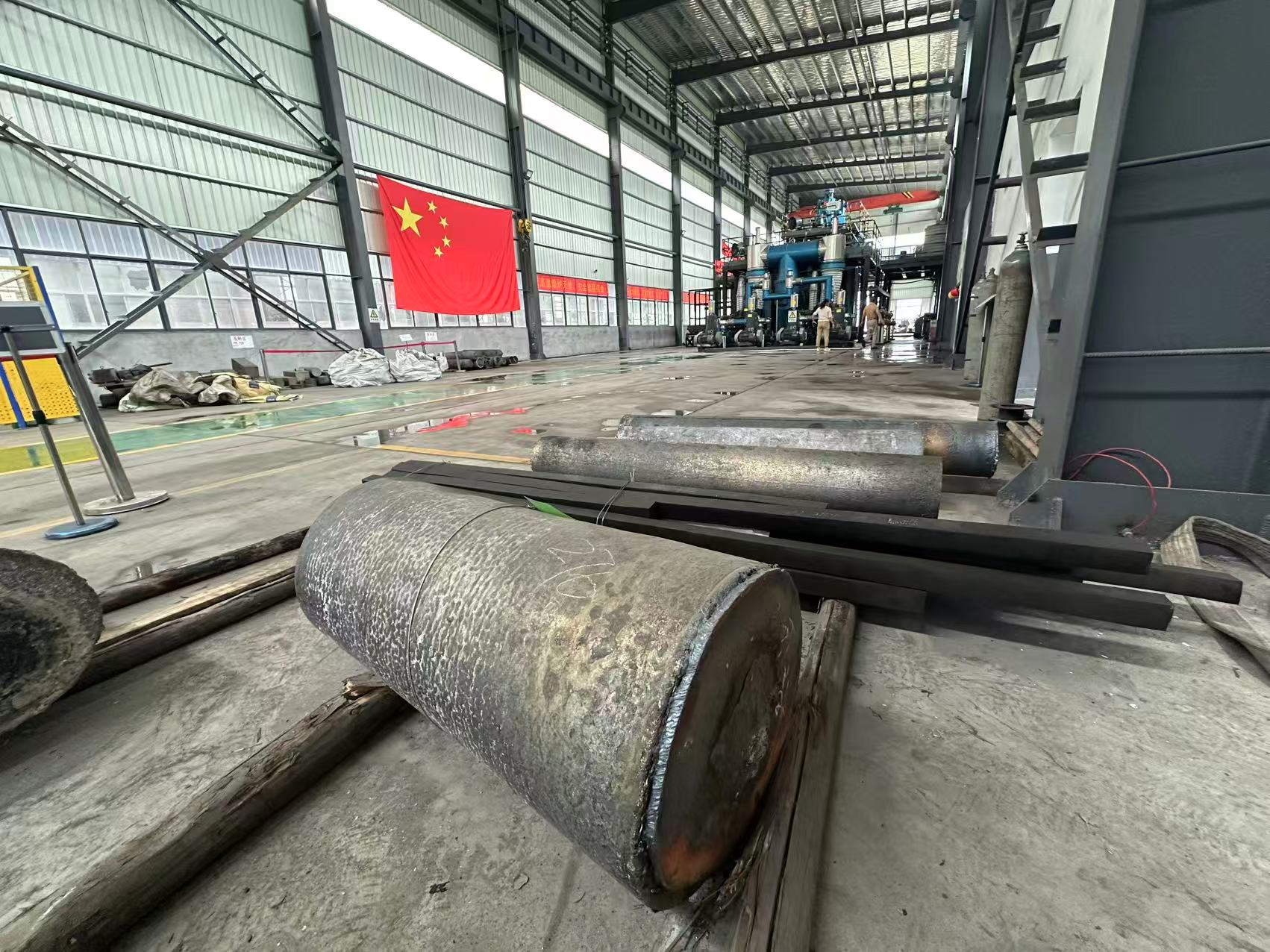
A nickel alloy ingot is the initial solid form of the alloy, produced by melting and casting nickel and other alloying elements (such as chromium, molybdenum, or iron) into a large block or billet.
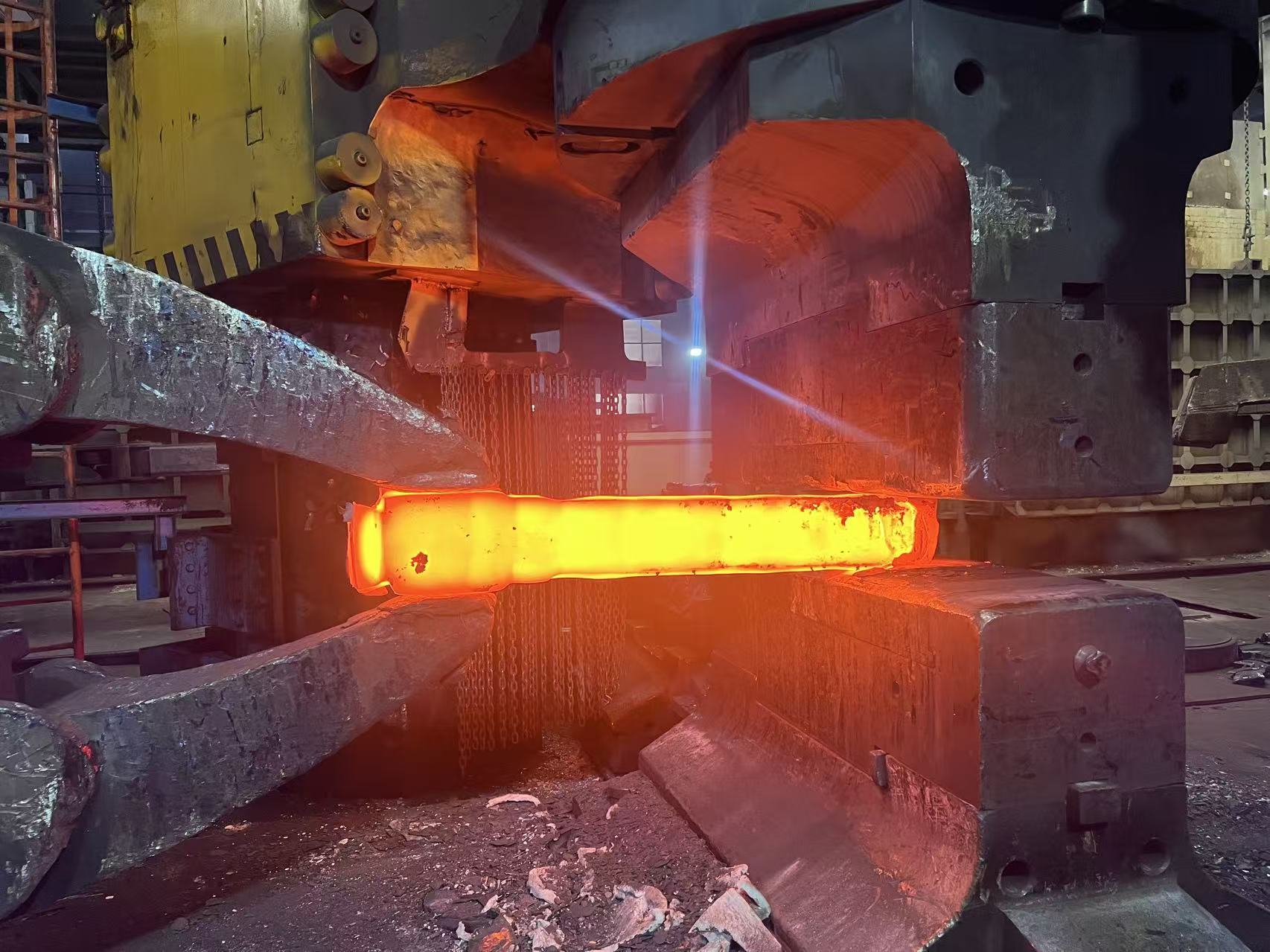
It is the starting material for further processing. After casting, the ingot is usually subjected to forging, rolling, or extrusion to refine its structure and shape.
In simple terms, the ingot is the “raw source” from which various semi-finished or finished products — including bars, rods, tubes, and plates — are made.
What Is a Nickel Alloy Round Bar?
A nickel alloy round bar is a machined or hot-forged product derived from an ingot or billet. It has a precise diameter and smooth surface, suitable for direct use in manufacturing parts such as fasteners, shafts, valves, or components for the chemical and energy industries.
While an ingot represents the material in its original cast form, a round bar represents the refined, ready-to-use form that has gone through multiple deformation and heat treatment steps to achieve uniform mechanical properties and dimensional accuracy.
Main Differences Between Ingot and Round Bar
The main differences between a nickel alloy ingot and a round bar lie in their form, purpose, and level of processing.
A nickel alloy ingot is a large cast block with a rough surface, produced directly from the melting and solidification process. It serves as the raw material for further manufacturing steps such as forging, rolling, or extrusion. Because it has a coarser grain structure, additional processing is needed to achieve the desired mechanical strength and uniformity.
In contrast, a nickel alloy round bar is the refined product made from an ingot or billet through hot forging or machining. It features a smooth surface and consistent composition throughout the section. Round bars are typically supplied in specific diameters and are ready for precision machining into parts such as fasteners, shafts, or valves.
In short, the ingot represents the starting point of nickel alloy production, while the round bar is a finished or semi-finished material ready for end-use applications.
Why the Difference Matters
For buyers or engineers, understanding this difference helps in choosing the right material stage.
If you plan to produce customized shapes or perform your own forging, purchasing nickel alloy ingots is more economical.
If you need materials ready for precision machining, nickel alloy round bars save time and cost because they are already processed to required sizes and mechanical standards.
Conclusion
Nickel alloy ingots and round bars are closely connected in the production chain. The ingot is the foundation — the source of material strength — while the round bar represents the refined form ready for industrial use.
Knowing their differences allows buyers and manufacturers to make better decisions when sourcing nickel alloy materials for critical applications in chemical processing, aerospace, or power generation.
FAQs
What are high-temperature alloys made of?
Nickel, cobalt, or titanium are regularly used to craft high-temperature alloys. These metals can withstand highly high warmth without losing strength.
Why are high-temperature alloys used in jet engines?
Jet engines create severe warmth once they burn gas. High-temperature alloys are used because they may resist melting and remain robust under these conditions.
Can high-temperature alloys be utilized in spacecraft?
Yes, high-temperature alloys are essential in spacecraft. They are used for elements like high-temperature shields and rocket engines, which face extreme heat and are bloodless.