Understanding Nickel-Based Alloy Sheet
December 30, 2025
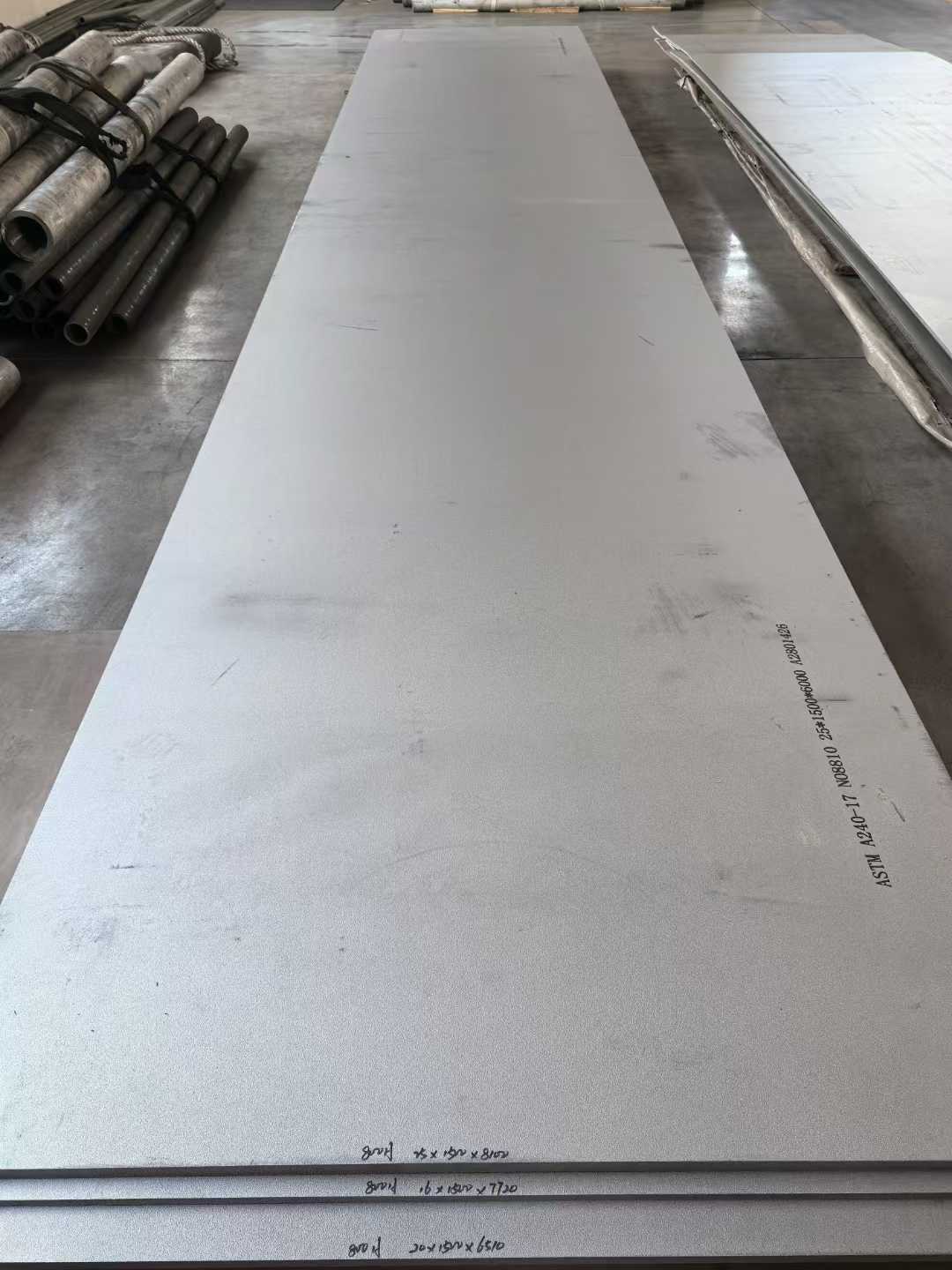
Nickel-based alloy sheet is a high-performance material primarily composed of nickel with additions of chromium, molybdenum, iron, and other alloying elements. It is designed to deliver excellent high-temperature strength, outstanding corrosion resistance, and long-term mechanical stability. These properties make nickel-based alloy sheets well suited for use in harsh environments involving high temperatures, aggressive chemicals, and heavy mechanical loads.
1.Material Properties
Nickel-based alloy sheets maintain their strength and structural integrity at elevated temperatures while providing strong resistance to oxidation, pitting, crevice corrosion, and stress corrosion cracking, particularly in acidic and chloride-containing environments. In addition, they offer good toughness and fatigue resistance over a wide temperature range, along with reliable formability and weldability for fabrication and assembly.
2.Manufacturing Process
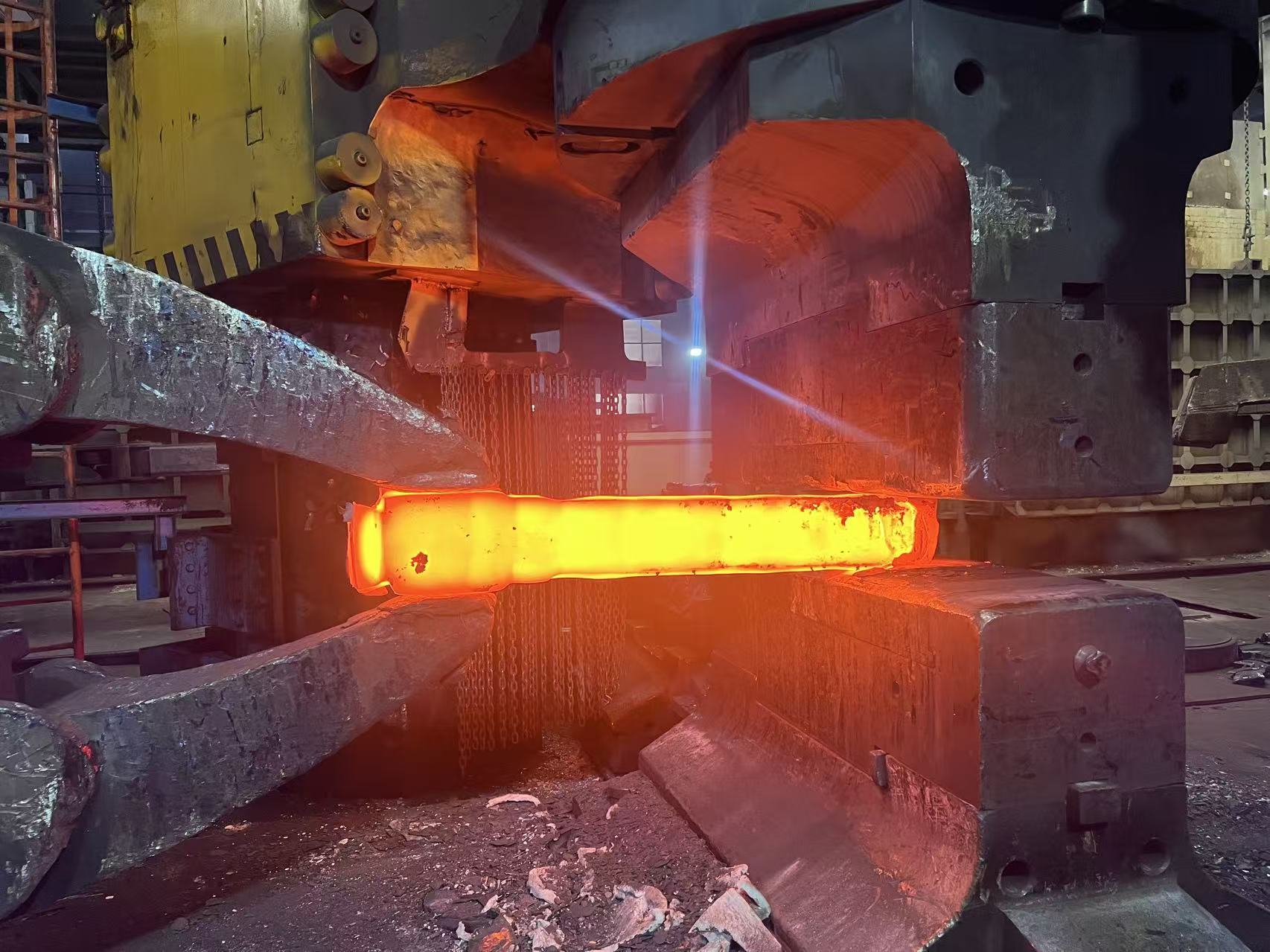
Production typically involves advanced melting and refining methods such as Vacuum Induction Melting (VIM) and Electroslag Remelting (ESR) to ensure chemical uniformity and high purity. The material is then hot-rolled and cold-rolled to achieve precise thickness and surface quality, followed by solution annealing to optimize microstructure and overall performance. Final inspection includes chemical analysis, mechanical testing, and non-destructive examination to ensure consistent quality.
3.Grades and Applications
Common grades include Inconel® 600, 625, and 718; Hastelloy® C-276 and C-22; Monel® 400; and Incoloy® 800 and 825, with typical thicknesses ranging from 0.2 mm to 20 mm and custom sizes available. Nickel-based alloy sheets are widely used in chemical and petrochemical equipment, aerospace components, energy and power generation systems, marine engineering structures, and pharmaceutical or environmental processing equipment.
ConclusionCombining excellent heat resistance, corrosion resistance, and mechanical reliability, nickel-based alloy sheet is an ideal material for critical applications requiring long service life under extreme operating conditions.
FAQs
What are high-temperature alloys made of?
Nickel, cobalt, or titanium are regularly used to craft high-temperature alloys. These metals can withstand highly high warmth without losing strength.
Why are high-temperature alloys used in jet engines?
Jet engines create severe warmth once they burn gas. High-temperature alloys are used because they may resist melting and remain robust under these conditions.
Can high-temperature alloys be utilized in spacecraft?
Yes, high-temperature alloys are essential in spacecraft. They are used for elements like high-temperature shields and rocket engines, which face extreme heat and are bloodless.