Nickel-Based Alloy Ingots: Properties, Manufacturing, and Applications
December 30, 2025
Introduction
Nickel-based alloy ingots are essential semi-finished materials widely used in aerospace, energy, chemical processing, and high-temperature engineering industries. These alloys are designed to maintain excellent mechanical strength, corrosion resistance, and microstructural stability under extreme service conditions.
Composition and Characteristics
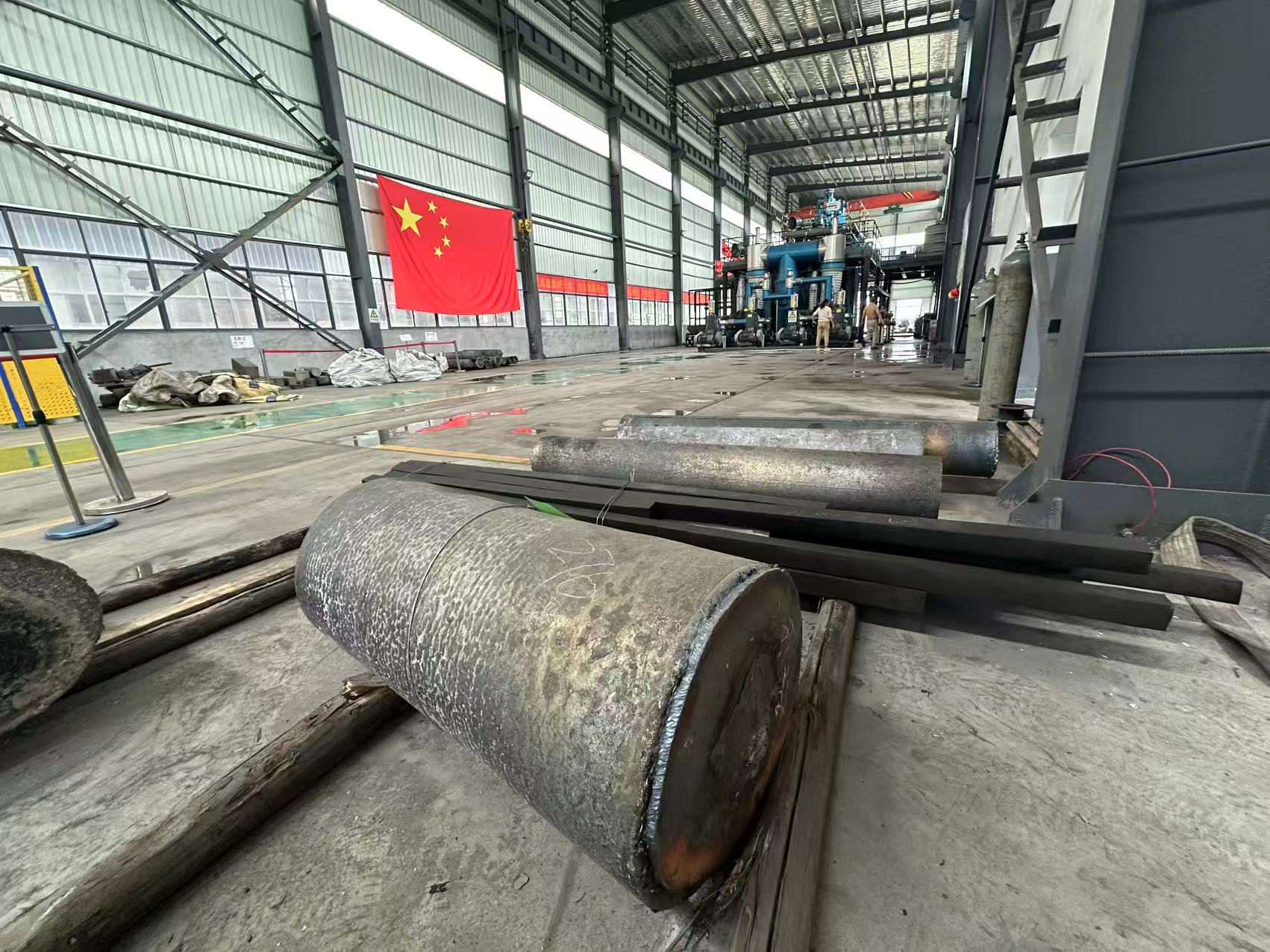
Nickel-based alloy ingots primarily consist of nickel as the matrix element, alloyed with elements such as chromium, iron, cobalt, molybdenum, aluminum, titanium, and niobium. Chromium enhances oxidation and corrosion resistance, while aluminum and titanium contribute to precipitation strengthening. Molybdenum and tungsten improve solid-solution strengthening and creep resistance. As a result, these ingots exhibit superior high-temperature strength, fatigue resistance, and excellent resistance to oxidation and sulfidation.
Manufacturing Process
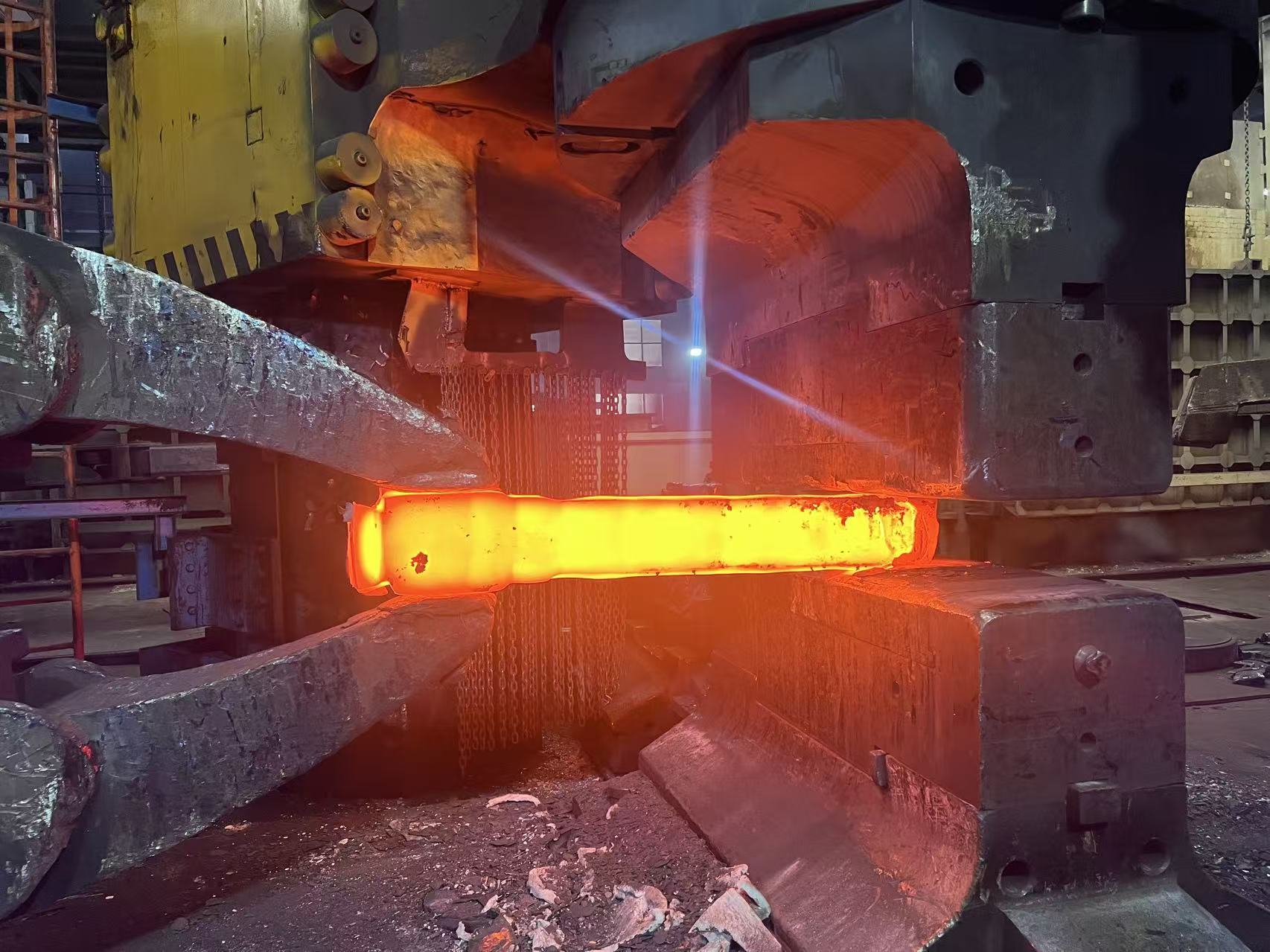
Nickel-based alloy ingots are typically produced through vacuum induction melting (VIM), electroslag remelting (ESR), or vacuum arc remelting (VAR). These advanced melting techniques minimize impurity content and ensure chemical homogeneity. Controlled solidification during ingot casting is critical to reducing segregation and ensuring a uniform microstructure, which directly influences downstream forging and rolling performance.
Applications
Nickel-based alloy ingots serve as the starting material for a wide range of high-performance products, including turbine discs, aerospace shafts, heat-resistant fasteners, seamless tubes, and corrosion-resistant components. Their ability to withstand high temperatures and aggressive environments makes them indispensable in gas turbines, nuclear power systems, and petrochemical equipment.
Conclusion
Nickel-based alloy ingots form the foundation of many critical high-performance alloys. Through precise alloy design and advanced melting technologies, these ingots provide reliable mechanical properties and long-term stability in demanding industrial applications.
FAQs
What are high-temperature alloys made of?
Nickel, cobalt, or titanium are regularly used to craft high-temperature alloys. These metals can withstand highly high warmth without losing strength.
Why are high-temperature alloys used in jet engines?
Jet engines create severe warmth once they burn gas. High-temperature alloys are used because they may resist melting and remain robust under these conditions.
Can high-temperature alloys be utilized in spacecraft?
Yes, high-temperature alloys are essential in spacecraft. They are used for elements like high-temperature shields and rocket engines, which face extreme heat and are bloodless.