Understanding Nickel-Based Alloy Round Bar
December 09, 2025
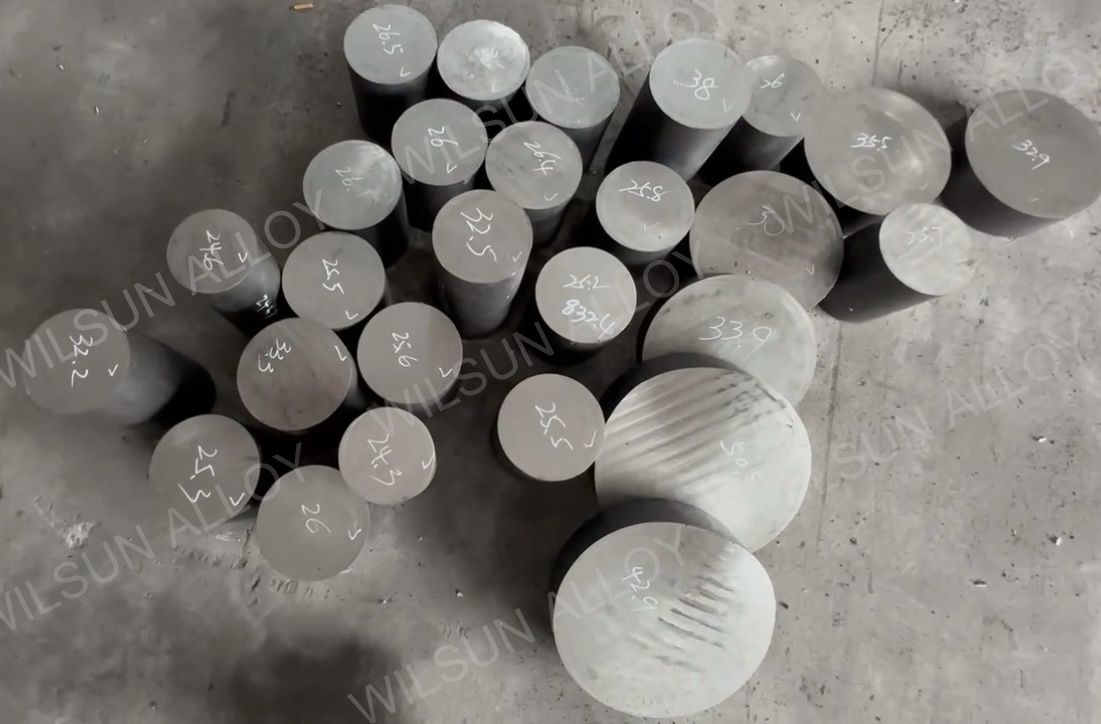
Nickel-based alloy round bars represent one of the most advanced categories of metallic materials used in modern engineering. Built upon a nickel-rich matrix and strengthened through the strategic addition of elements such as chromium, molybdenum, cobalt, titanium, and aluminum, these bars exhibit an extraordinary combination of high-temperature strength, corrosion resistance, and structural reliability. Their performance exceeds that of traditional stainless steels and many heat-resistant alloys, making them indispensable in extreme environments where thermal, chemical, or mechanical loads are exceptionally demanding.
With the continuous expansion of aerospace propulsion systems, ultra-supercritical power plants, marine engineering, petrochemical equipment, and advanced manufacturing, the global demand for nickel-based alloy round bars has experienced robust growth. This trend reflects not only the impressive material properties they provide but also the increasingly strict safety and reliability requirements placed upon critical components.
2. Material Characteristics
2.1 High-Temperature Strength and Creep Resistance
Due to their solid-solution strengthening and γ′/γ″ precipitation hardening mechanisms, nickel-based alloys retain excellent mechanical properties at temperatures exceeding 700°C. Even under long-term exposure to stress and heat, their microstructure remains stable, effectively resisting creep deformation. This makes them ideal for turbine blades, high-temperature bolts, combustion chamber fasteners, and load-bearing shafts.
2.2 Exceptional Corrosion and Oxidation Resistance
Chromium and aluminum form dense, adherent oxide films at elevated temperatures, providing a first line of defense against oxidative attack. The presence of molybdenum and tungsten further enhances resistance to pitting, crevice corrosion, and stress-corrosion cracking in chloride-rich or acidic environments. As a result, nickel-based alloy round bars are frequently used in chemical reactors, heat exchangers, desalination equipment, and offshore platforms.
2.3 Superior Fatigue and Thermal Stability
The thermal expansion coefficient of nickel alloys is relatively low, while their thermal conductivity remains stable at elevated temperatures, which helps minimize thermal fatigue damage during rapid heating and cooling cycles. In rotating components such as shafts or gas turbine discs, this fatigue resistance is crucial for extending service life and preventing catastrophic failures.
2.4 Strong Weldability and Fabrication Flexibility
Many modern nickel-based alloys—such as Inconel 625, Inconel 718, Hastelloy C-276, and Monel 400—offer high weldability and process stability. Combined with advanced forging and heat treatment technologies, manufacturers can produce round bars with refined grain structures, uniform mechanical properties, and high dimensional accuracy.
3. Manufacturing Process of Nickel-Based Alloy Round Bars
3.1 Raw Material Melting
The production process typically begins with vacuum induction melting (VIM) followed by vacuum arc remelting (VAR), ensuring ultra-low impurity levels and excellent segregation control. This dual-melting approach promotes a clean microstructure, an essential requirement for aerospace-grade materials.
3.2 Hot Forging and Rolling
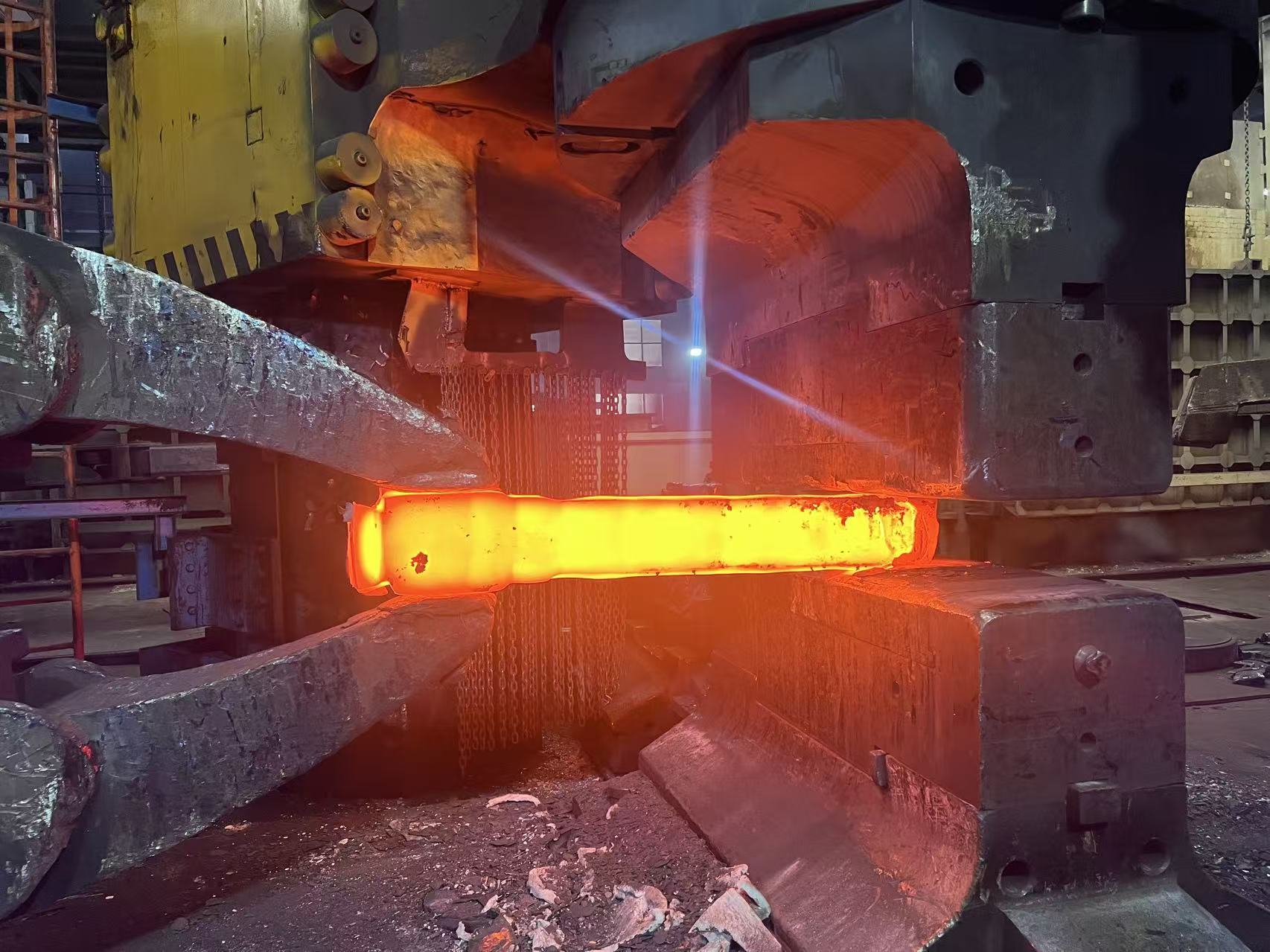
After melting, the ingots undergo hot forging or hot rolling to break down the cast structure. This step helps refine grains, eliminate porosity, and achieve desirable mechanical anisotropy. Process parameters—temperature, deformation rate, and cooling method—are carefully optimized to prevent microcracks or carbides from forming.
3.3 Heat Treatment
Heat treatments vary depending on alloy grade but generally include solution treatment and precipitation hardening. For instance, Inconel 718 requires a multi-stage aging treatment to form finely dispersed γ′ and γ″ phases, which dramatically enhance strength at high temperatures.
3.4 Machining and Finishing
Nickel-based alloys are notoriously difficult to machine due to their high strength and work-hardening behavior. Precision CNC machining, centerless grinding, and ultrasonic inspection are often applied to achieve tight tolerances and ensure internal structural integrity.
4. Common Nickel-Based Alloy Grades for Round Bars
Inconel 718: Excellent high-temperature strength, ideal for turbine discs and fasteners.
Inconel 625: Outstanding corrosion resistance, widely used in chemical processing and marine systems.
Hasteloy C-276: Exceptional resistance to strong acids, reducing agents, and chloride corrosion.
Monel 400: Superior seawater corrosion resistance with excellent weldability.
Incoloy 800/825: Suitable for high-temperature structural applications and heat exchangers.
5. Industrial Applications
5.1 Aerospace and Gas Turbines
Nickel-based alloy round bars are widely used for shafts, fasteners, turbine bolts, and combustion system components. Their ability to maintain strength under extreme temperatures ensures long-term reliability for both military and commercial engines.
5.2 Petrochemical and Refining Industry
These alloys are used for reactor internals, valve stems, pump shafts, and high-pressure fittings. Their resistance to sulfur-containing and chloride-rich environments significantly reduces maintenance and downtime.
5.3 Power Generation
In advanced coal-fired power plants and nuclear reactors, nickel-based alloy round bars support high-temperature steam lines, boiler components, and critical structural parts.
5.4 Marine Engineering and Offshore Energy
Offshore drilling equipment, deep-sea pumps, and desalination systems rely heavily on nickel alloys to withstand saltwater corrosion and aggressive media.
5.5 High-Precision Manufacturing
Their dimensional stability and high mechanical strength allow nickel-based alloy round bars to be used in mold bases, tooling, instrumentation components, and precision spindle systems.
6. Conclusion
Nickel-based alloy round bars occupy a vital position in the landscape of modern high-performance materials. Combining extraordinary mechanical strength, corrosion resistance, and thermal stability, they serve as the backbone of numerous mission-critical systems across aerospace, energy, chemical processing, and marine industries. As engineering technologies continue to push operational boundaries, the importance of these advanced alloys will only expand, driving further innovations in alloy design, precision manufacturing, and performance optimization.
FAQs
What are high-temperature alloys made of?
Nickel, cobalt, or titanium are regularly used to craft high-temperature alloys. These metals can withstand highly high warmth without losing strength.
Why are high-temperature alloys used in jet engines?
Jet engines create severe warmth once they burn gas. High-temperature alloys are used because they may resist melting and remain robust under these conditions.
Can high-temperature alloys be utilized in spacecraft?
Yes, high-temperature alloys are essential in spacecraft. They are used for elements like high-temperature shields and rocket engines, which face extreme heat and are bloodless.