Nickel-Based Alloy Round Bars: Key Features and Uses
December 02, 2025
1. Introduction
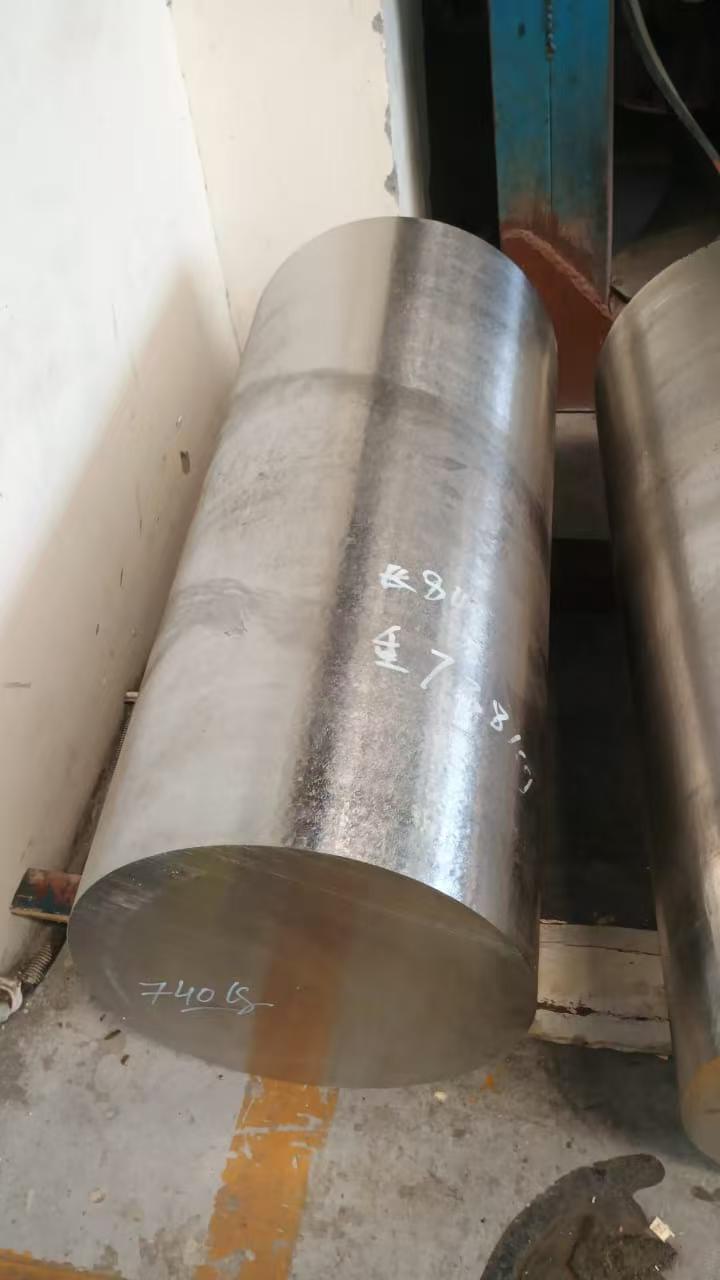
Nickel-based alloy round bars are high-performance materials known for their excellent strength, corrosion resistance, and stability at high temperatures. They are widely used in aerospace, chemical processing, marine engineering, and power generation.
2. Main Properties
2.1 High-Temperature Performance
They maintain strong mechanical properties at temperatures above 700°C, making them suitable for extreme environments.
2.2 Corrosion Resistance
Nickel alloys resist oxidation, acids, seawater corrosion, and stress corrosion cracking, ensuring long service life.
2.3 Structural Stability
Their microstructure remains stable under long-term heat exposure.
2.4 Good Processability
Despite high strength, these alloys can be forged, welded, and machined with precision.
3. Common Alloy Grades
Inconel 600: Good oxidation resistance; used in furnace parts.
Inconel 625: Excellent corrosion resistance; used in marine and chemical equipment.
Inconel 718: High strength; used in aerospace engine parts.
Monel 400: Tough and seawater-resistant; used in marine components.
Hastelloy C-276: Strong resistance to acids; used in chemical plants.
4. Manufacturing Process
Melting using VIM, ESR, or VAR to ensure purity.
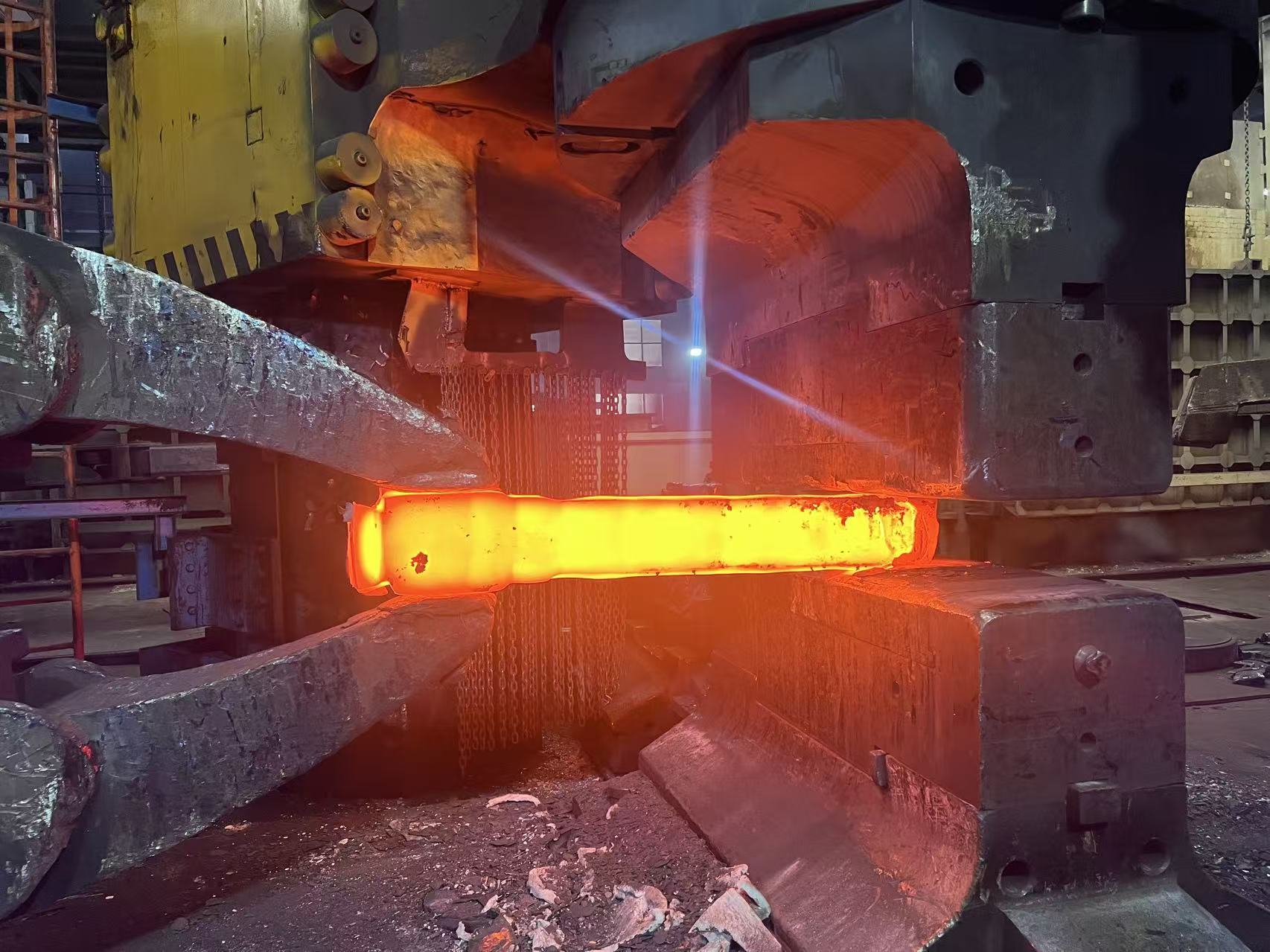
Forging the alloy into bar form while refining grain structure.
Heat Treatment such as solution annealing or aging to improve properties.
Machining to achieve the required size and surface finish.
5. Applications
Aerospace: turbine parts, fasteners.
Chemical Industry: pumps, valves, reactor components.
Marine Engineering: shafts, seawater equipment.
Power Generation: nuclear and steam turbine components.
High-Temperature Equipment: furnace parts and fixtures.
6. Conclusion
Nickel-based alloy round bars combine strength, corrosion resistance, and high-temperature stability, making them ideal for demanding industries. Their reliability and long service life ensure continuous demand in modern engineering fields.FAQs
What are high-temperature alloys made of?
Nickel, cobalt, or titanium are regularly used to craft high-temperature alloys. These metals can withstand highly high warmth without losing strength.
Why are high-temperature alloys used in jet engines?
Jet engines create severe warmth once they burn gas. High-temperature alloys are used because they may resist melting and remain robust under these conditions.
Can high-temperature alloys be utilized in spacecraft?
Yes, high-temperature alloys are essential in spacecraft. They are used for elements like high-temperature shields and rocket engines, which face extreme heat and are bloodless.