Nickel-Based Alloy Seamless Pipes: Properties, Manufacturing, and Applications
December 12, 2025
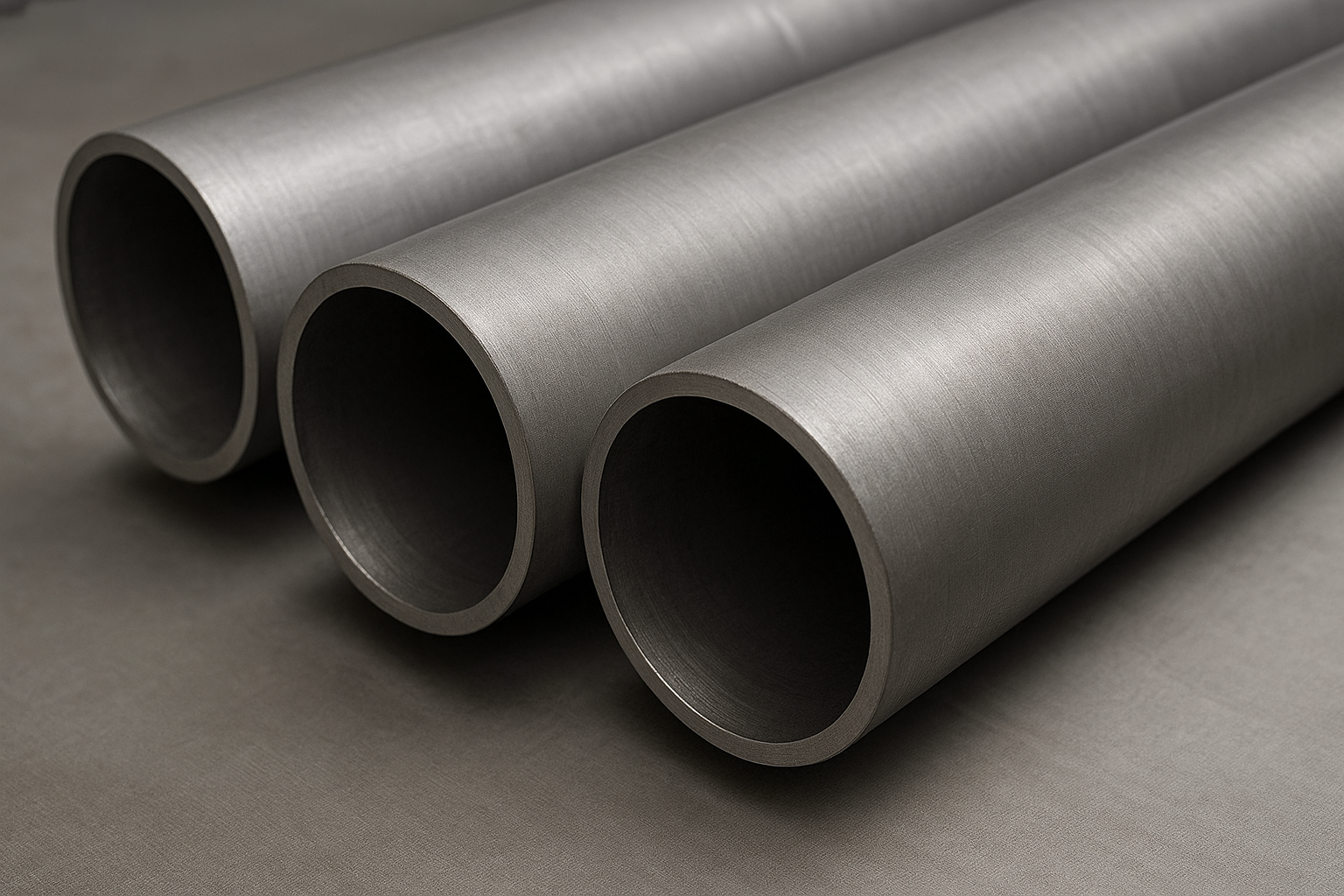
Nickel-based alloy seamless pipes are high-performance tubular materials strengthened by elements such as Cr, Mo, Nb, and W. With excellent high-temperature strength, oxidation resistance, and corrosion resistance, they are widely used in petrochemical engineering, energy systems, aerospace, nuclear power, and marine environments.
2. Material Systems and Key Properties
2.1 Alloy Types
Solid-solution alloys: e.g., Inconel 600, Incoloy 800H/HT.
Precipitation-strengthened alloys: e.g., Inconel 718, Inconel 625.
Highly corrosion-resistant alloys: e.g., Hastelloy C-276, C-22.
2.2 Core Properties
High strength and creep resistance at 600–1000 °C
Exceptional resistance to acids, chlorides, and mixed corrosive media
Strong stress-corrosion-cracking (SCC) resistance
Good weldability and manufacturability despite significant work-hardening
3. Manufacturing Process
Nickel-based alloy seamless pipes require precise, high-temperature and high-strength processing:
Melting & Raw Material Control: VIM/ESR for purity and composition stability.
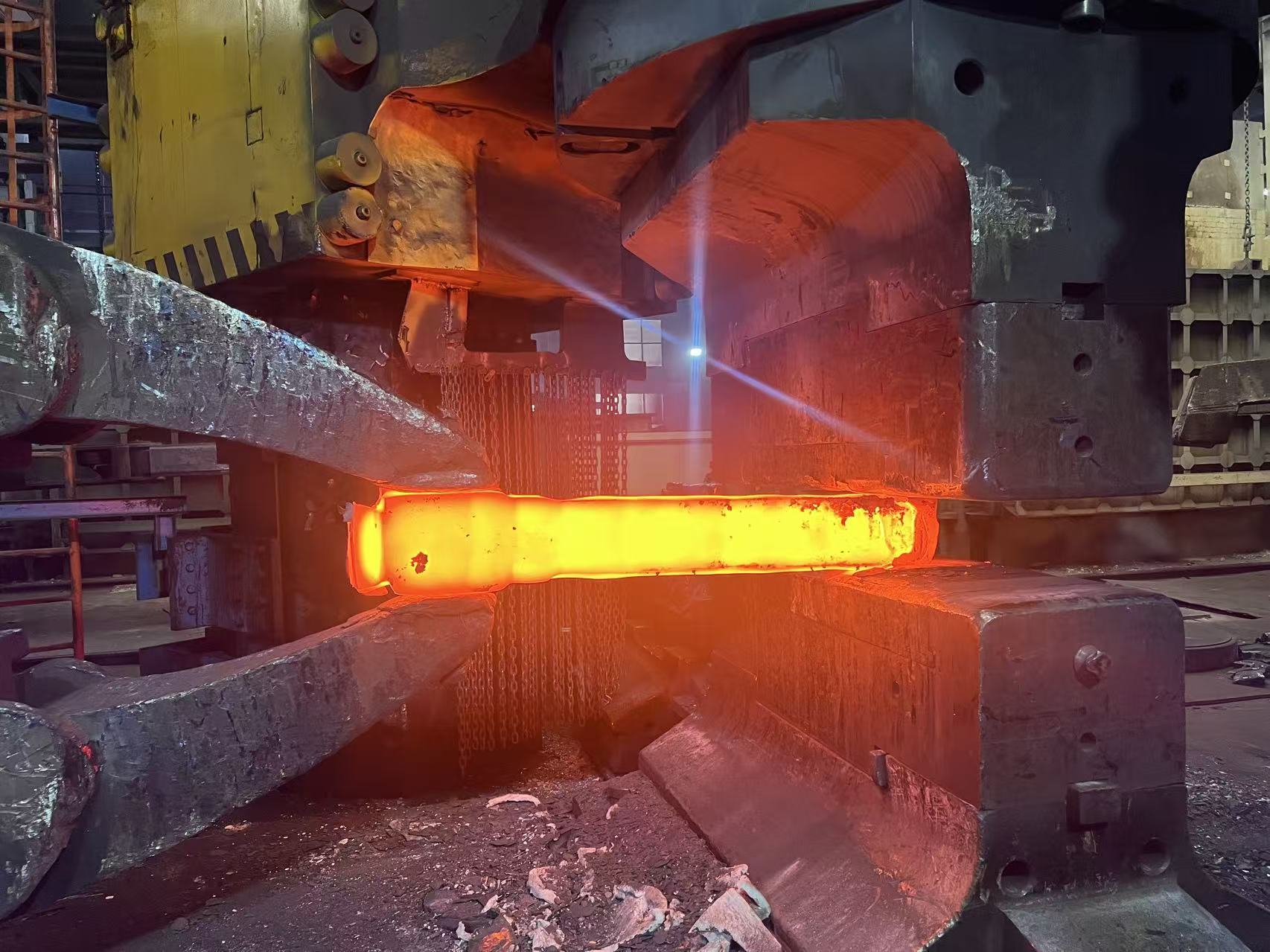
Billet Production: Forging or rolling for dense, uniform structure.
Piercing & Hot Rolling: Mannesmann piercing at ~1150–1200 °C.
Cold Working: Multi-pass cold rolling/drawing with frequent annealing.
Heat Treatment: Solution plus aging (e.g., 718: 980 °C solution + dual aging).
Inspection: Pickling, bright annealing, eddy-current and ultrasonic testing.
4. Major Applications
Oil & Gas: CRA tubing/casing, deep-well components resistant to CO₂/H₂S/Cl⁻.
Chemical Processing: Reactors, heat exchangers, furnace tubes.
Power & Nuclear: Supercritical boiler tubes, steam-generator U-tubes.
Aerospace: High-temperature fluid and combustor tubing.
5. Conclusion
Combining high-temperature capability, corrosion resistance, and structural reliability, nickel-based alloy seamless pipes are essential for extreme environments. As manufacturing and alloy design evolve, they will further advance toward higher performance, thinner walls, and more precise, intelligent production.
FAQs
What are high-temperature alloys made of?
Nickel, cobalt, or titanium are regularly used to craft high-temperature alloys. These metals can withstand highly high warmth without losing strength.
Why are high-temperature alloys used in jet engines?
Jet engines create severe warmth once they burn gas. High-temperature alloys are used because they may resist melting and remain robust under these conditions.
Can high-temperature alloys be utilized in spacecraft?
Yes, high-temperature alloys are essential in spacecraft. They are used for elements like high-temperature shields and rocket engines, which face extreme heat and are bloodless.