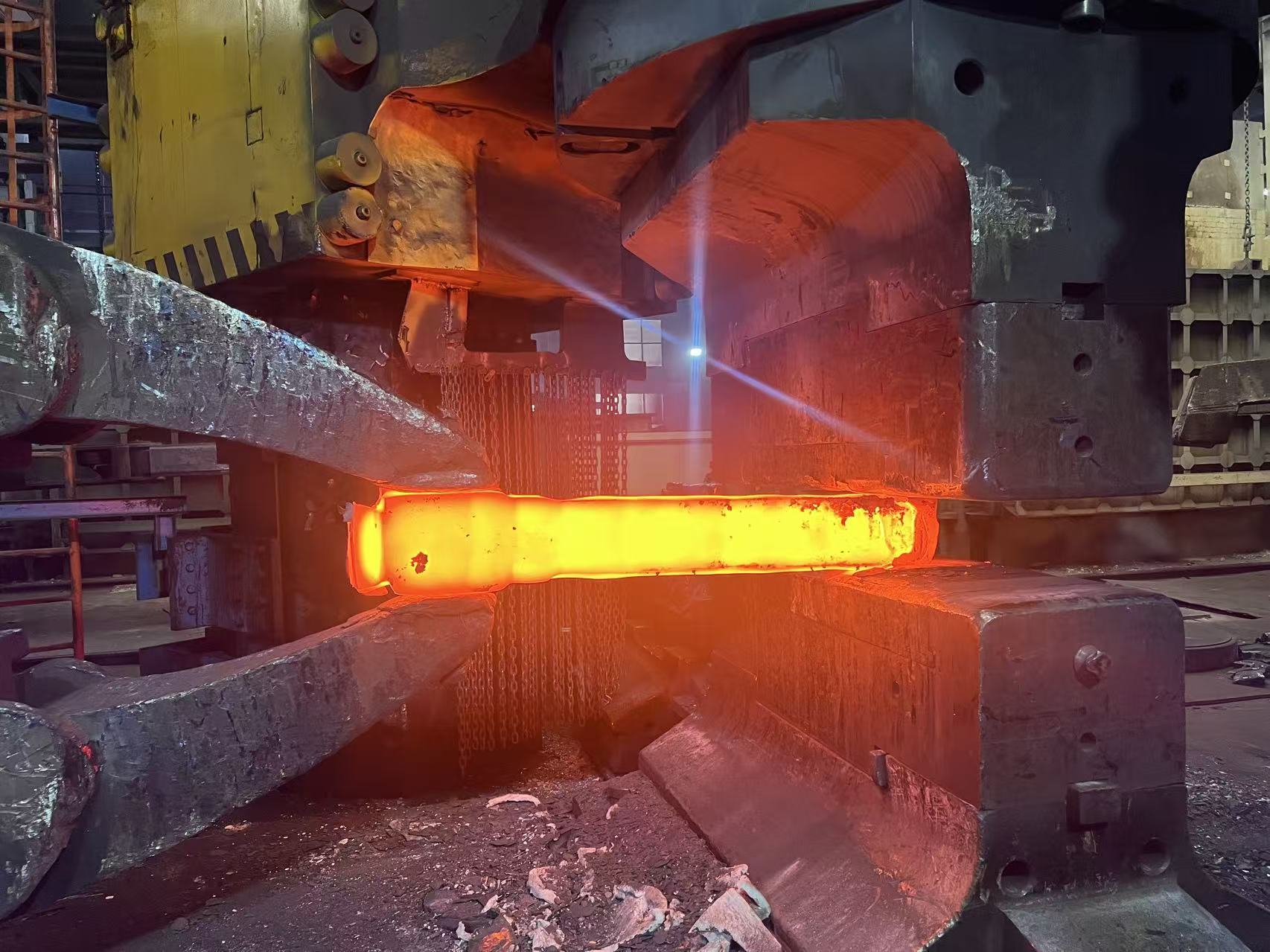
Nickel-Based Superalloy Ingots: Properties, Production, and Advantages
December 12, 2025
1. Introduction
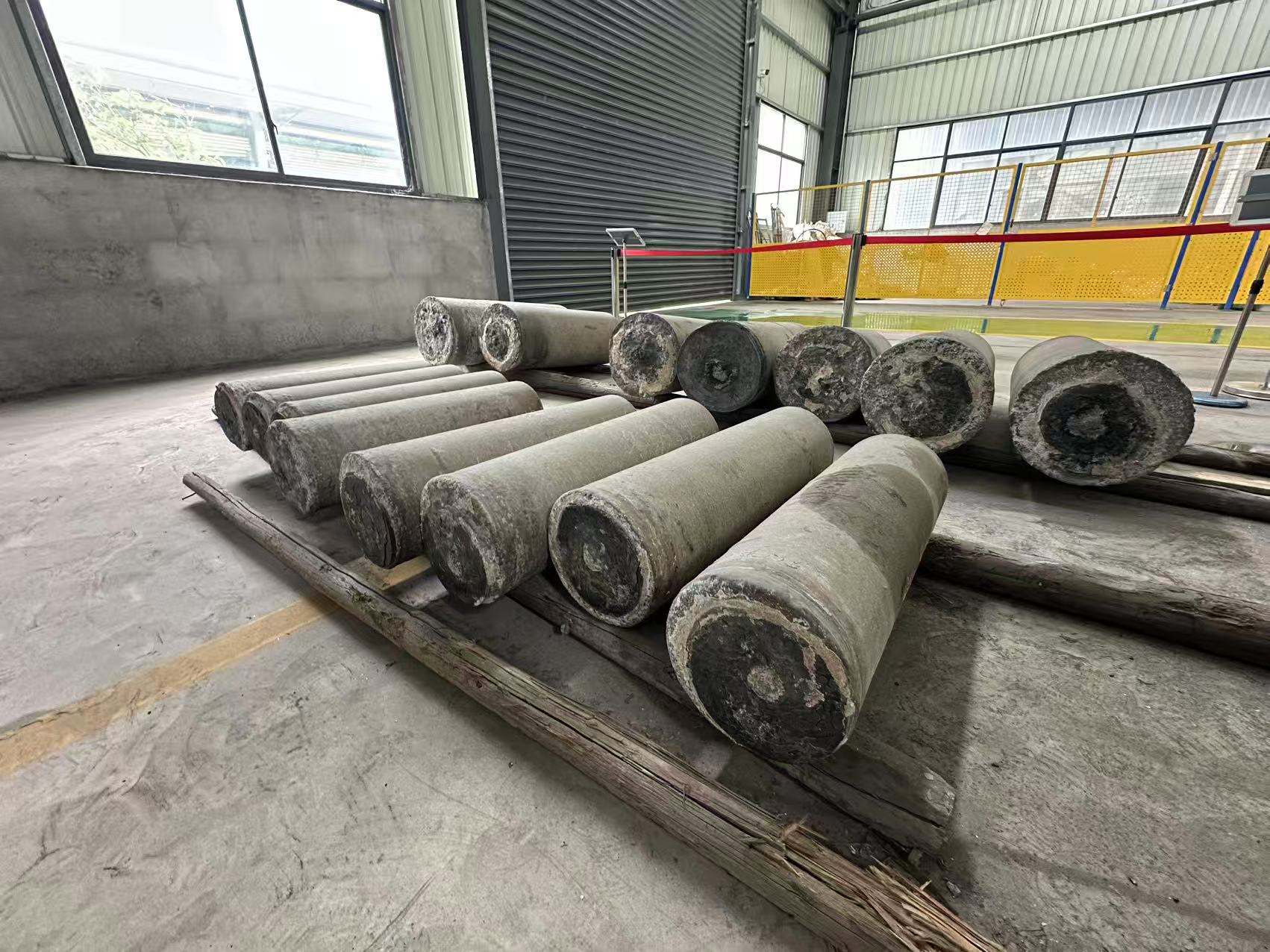
Nickel-based superalloys are a class of high-performance materials engineered to maintain excellent mechanical strength, oxidation resistance, and thermal stability at elevated temperatures. As the fundamental feedstock for forging, rolling, extrusion, and precision casting, nickel-based alloy ingots play a vital role in high-temperature engineering sectors, including aerospace propulsion, gas turbines, petrochemical equipment, and advanced energy systems. The quality of the ingot directly determines the performance, reliability, and service life of the final alloy components.
2. Alloy Characteristics
Nickel-based superalloy ingots typically contain elements such as chromium (Cr), cobalt (Co), molybdenum (Mo), tungsten (W), aluminum (Al), titanium (Ti), niobium (Nb), and trace additions like carbon, boron, or zirconium. These alloying elements collectively contribute to enhanced thermal stability, corrosion resistance, and mechanical performance under extreme conditions.
2.1 High-Temperature Strength
The high-temperature strength of nickel-based alloy ingots mainly arises from the γ/γ′ microstructure. The γ′ phase, represented as Ni₃(Al,Ti), strengthens the matrix through ordered precipitates that resist creep, deformation, and dislocation motion at elevated temperatures. Refractory elements such as tungsten, molybdenum, and tantalum further enhance solid-solution strengthening and extend the alloy’s capability in ultra-high-temperature environments.
2.2 Corrosion and Oxidation Resistance
Nickel-based superalloy ingots exhibit excellent corrosion and oxidation resistance due to the formation of stable chromia (Cr₂O₃) and alumina (Al₂O₃) protective oxide layers. These films naturally form during high-temperature exposure, providing strong protection against oxidative degradation and corrosive gases. Such properties make these ingots particularly suitable for harsh turbine atmospheres and chemical processing facilities.
2.3 Microstructural Stability
The microstructural stability of nickel-based alloy ingots is ensured through controlled solidification processes that promote uniform grain structures. Stable grains provide resistance to grain boundary embrittlement, thermal fatigue, and microcrack formation. This stability is critical for ensuring long-term mechanical reliability during prolonged exposure to high temperature and mechanical stress.
3. Ingot Production Process
3.1 Raw Material Selection
The production of high-quality nickel-based alloy ingots begins with the careful selection of raw materials, including high-purity nickel, alloying elements, and recycled scrap. Controlling tramp elements such as sulfur, phosphorus, and lead is essential, as even trace impurities can significantly degrade mechanical properties and high-temperature performance.
3.2 Melting Technologies
A variety of melting routes are used to produce superalloy ingots depending on alloy grade and end-use requirements. Vacuum Induction Melting (VIM) minimizes contamination and ensures precise chemical composition. Electroslag Remelting (ESR) improves cleanliness by removing nonmetallic inclusions. Vacuum Arc Remelting (VAR) refines microstructure, improves segregation control, and produces highly uniform solidification. Advanced processes such as Directional Solidification (DS) and Single Crystal (SX) ingots eliminate grain boundaries entirely, enabling exceptional high-temperature capabilities for turbine blade applications.
3.3 Solidification and Grain Control
Ingot solidification requires precise control over geometry, cooling rate, and furnace conditions to achieve uniform macrostructures. Effective control prevents defects such as macro-segregation, porosity, microshrinkage, and centerline cracking, which can negatively impact downstream forging, machining, and mechanical performance.
3.4 Inspection and Quality Assurance
After solidification, nickel-based alloy ingots undergo comprehensive quality assurance procedures. Ultrasonic testing is used to detect internal defects, while macroetching reveals segregation or shrinkage. Microstructural characterization confirms appropriate γ/γ′ morphology, and chemical analysis ensures compliance with AMS, ASTM, or specific customer specifications. These processes guarantee that ingots meet the high standards required for critical aerospace and industrial components.
4. Typical Nickel-Based Alloy Grades for Ingots
Nickel-based alloy ingots are produced in a wide range of grades to accommodate different performance requirements. Common alloys include the Inconel series (e.g., 625, 718, 713C), Waspaloy, Rene alloys such as Rene 41 and Rene 80, Hastelloy alloys for corrosion resistance, and the Udimet series (UMT 500, UMT 720). Each alloy offers a unique balance of mechanical strength, corrosion resistance, and temperature capability tailored to specific high-performance applications.
5. Advantages of Nickel-Based Alloy Ingots
Nickel-based superalloy ingots offer numerous advantages, including exceptional performance under extreme temperature and stress, high structural reliability, superior fatigue and creep resistance, and excellent corrosion and oxidation resistance. Their stable microstructure enables long-term operation in environments where conventional steels and alloys would degrade rapidly.
6. Conclusion
Nickel-based superalloy ingots are essential materials for advanced engineering applications requiring superior high-temperature strength, corrosion resistance, and durability. With the support of advanced melting routes such as VIM, ESR, and VAR, modern metallurgical processes ensure outstanding ingot cleanliness, uniformity, and microstructural stability. As the global demand for efficient turbines, clean energy solutions, and high-performance engineering materials continues to grow, nickel-based alloy ingots will remain indispensable to the advancement of aerospace, energy, petrochemical, and defense technologies.
FAQs
What are high-temperature alloys made of?
Nickel, cobalt, or titanium are regularly used to craft high-temperature alloys. These metals can withstand highly high warmth without losing strength.
Why are high-temperature alloys used in jet engines?
Jet engines create severe warmth once they burn gas. High-temperature alloys are used because they may resist melting and remain robust under these conditions.
Can high-temperature alloys be utilized in spacecraft?
Yes, high-temperature alloys are essential in spacecraft. They are used for elements like high-temperature shields and rocket engines, which face extreme heat and are bloodless.